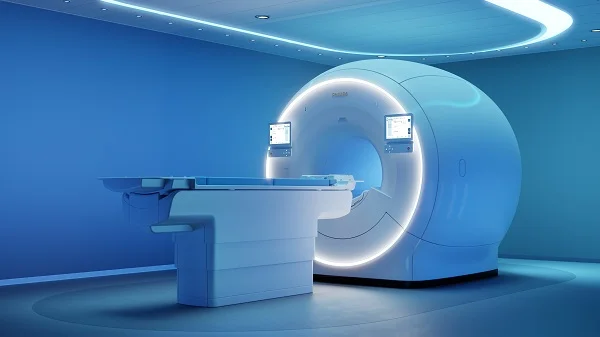
MRI Scans Starting @ Just ₹1500*

RadPath Labs – Trusted Diagnostics Since 2024. High-quality imaging & accurate reports from certified labs you can rely on. Accurate reports, modern machines, and expert radiologists.

Trusted Healthcare & Diagnostics at Your Doorstep With Test@Home

At RadPath Labs, we bring comprehensive healthcare services right to your home. From doctor consultations, elder care, and diagnostic tests to a wide range of personalized health solutions – we ensure convenience, accuracy, and trust at every step.

Experience Radpath Labs - Trusted Testing

Exclusive Deal: Complimentary Pathology Package (RPL Basic Health Package) Worth Rs 1000 On MRI booking above Rs 2000 .Advanced technology for accurate results. Committed to your well-being since 2024.

Welcome to Radpath Labs - Excellence in Diagnostics

Exclusive Offer: additional 10% off your initial diagnostic package and blood test . Advanced testing with expert care. Your wellness partner since 2024.

Radiology

X-Ray

X-Ray

X-ray Scan

X-ray imaging is a widely used diagnostic tool that employs controlled radiation to produce images of the inside of the body, particularly bones and certain tissues. It is a quick, non-invasive procedure that helps doctors diagnose fractures, infections, and various medical conditions.

X-rays are among the most common and effective imaging techniques due to their speed, availability, and ability to provide clear images of the skeletal system and some soft tissues.

Uses of X-ray

X-rays are commonly used to:

  • Detect bone fractures and dislocations
  • Diagnose infections like pneumonia
  • Identify dental issues
  • Evaluate joint problems such as arthritis
  • Locate foreign objects inside the body
  • Monitor lung and chest conditions
  • Guide certain medical procedures

Types of X-rays

  • Chest X-ray — lungs, heart, chest wall
  • Bone X-ray — fractures, dislocations
  • Dental X-ray — teeth and jaw
  • Spine X-ray — vertebrae and spinal alignment
  • Joint X-ray — arthritis, joint injuries

Preparation for an X-ray Scan

X-ray scans generally require minimal preparation:

  • Clothing: Wear loose, comfortable clothing. You may need to remove jewelry, belts, or any metal objects that could interfere with the image.
  • Pregnancy: Always inform the technician if you are pregnant or suspect pregnancy, as X-rays involve radiation exposure.
  • Medical history: Inform the technician about any recent X-rays or medical conditions.

Frequently Asked Questions (FAQs)

1. Is an X-ray scan painful?
No, X-ray scans are painless and quick.

2. How long does an X-ray take?
The procedure typically takes just a few minutes.

3. Does an X-ray involve radiation?
Yes, X-rays use a small amount of ionizing radiation, but the exposure is generally low and safe when proper precautions are taken.

4. Can children have X-rays?
Yes, X-rays are safe for children when medically necessary and performed with appropriate care.

5. Can pregnant women undergo X-rays?
Pregnant women should avoid X-rays unless absolutely necessary. Always inform the technician if you are pregnant.

6. Do I need to remove clothes for the X-ray?
You may need to remove clothing or metal objects from the area being scanned to avoid interference.

7. When will I get the results?
X-ray images are usually reviewed quickly, with results available within hours or the next day.

8. Are there any risks associated with X-rays?
The radiation dose from X-rays is low, but unnecessary exposure should be avoided. Technicians take all safety measures to minimize risk.


Endoscopic Procedures

Endoscopic Procedures

Endoscopic Procedures

Endoscopic procedures use a flexible tube with a camera (endoscope) inserted through natural openings (mouth or anus) to visually inspect internal organs of the digestive tract. They help diagnose, monitor, and sometimes treat gastrointestinal disorders without major surgery.

Types of Procedures

  • Endoscopy (Upper GI Endoscopy or Esophagogastroduodenoscopy - EGD):
    A minimally invasive procedure to examine the upper digestive tract — esophagus, stomach, and the first part of the small intestine.
  • Colonoscopy:
    A procedure to inspect the entire colon (large intestine) and rectum for abnormalities such as polyps, inflammation, or cancer.
  • Sigmoidoscopy:
    Similar to colonoscopy but examines only the sigmoid colon and rectum, a shorter segment of the large intestine.

Uses of Endoscopic Procedures

  • Detect ulcers, inflammation, tumors, bleeding, or infections in the digestive tract
  • Screen for colon cancer or precancerous polyps
  • Investigate causes of abdominal pain, chronic diarrhea, constipation, or unexplained weight loss
  • Biopsy suspicious areas for pathological examination
  • Remove polyps or foreign bodies
  • Monitor known GI diseases like Crohn’s disease or ulcerative colitis

Preparation

  • Endoscopy:
    • Fast for at least 6-8 hours before the test (no food or drink)
    • Avoid certain medications as advised by your doctor
  • Colonoscopy & Sigmoidoscopy:
    • Clear liquid diet 24 hours before procedure
    • Bowel cleansing with prescribed laxatives or enemas
    • Avoid eating or drinking for several hours before the test
    • Arrange for someone to accompany you home post-procedure due to sedation effects

Frequently Asked Questions (FAQs)

1. Are endoscopic procedures painful?
Generally, sedation is provided, so discomfort is minimal. You may feel mild pressure or cramping.

2. How long does the procedure take?
Typically 15 to 60 minutes depending on the type.

3. Can I eat or drink after the test?
Usually, you can resume eating and drinking after a short observation period, but follow your doctor’s instructions.

4. Are there risks involved?
Risks are low but can include bleeding, infection, or perforation. These are rare and managed promptly.

5. When will I get the results?
Preliminary results may be shared immediately; biopsy results take a few days.

6. Can polyps be removed during the procedure?
Yes, polyps or small growths can often be removed during the same session.

7. How often should I undergo these tests?
Depends on your risk factors and medical history; follow your doctor’s advice.

8. Do I need to stop medications before the test?
You may need to stop blood thinners or other medications temporarily—consult your doctor.


MRI

MRI

MRI Scan

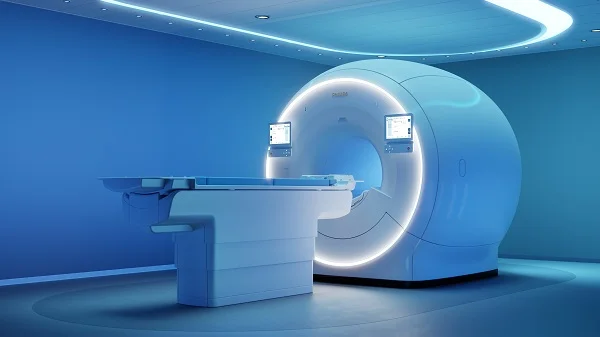
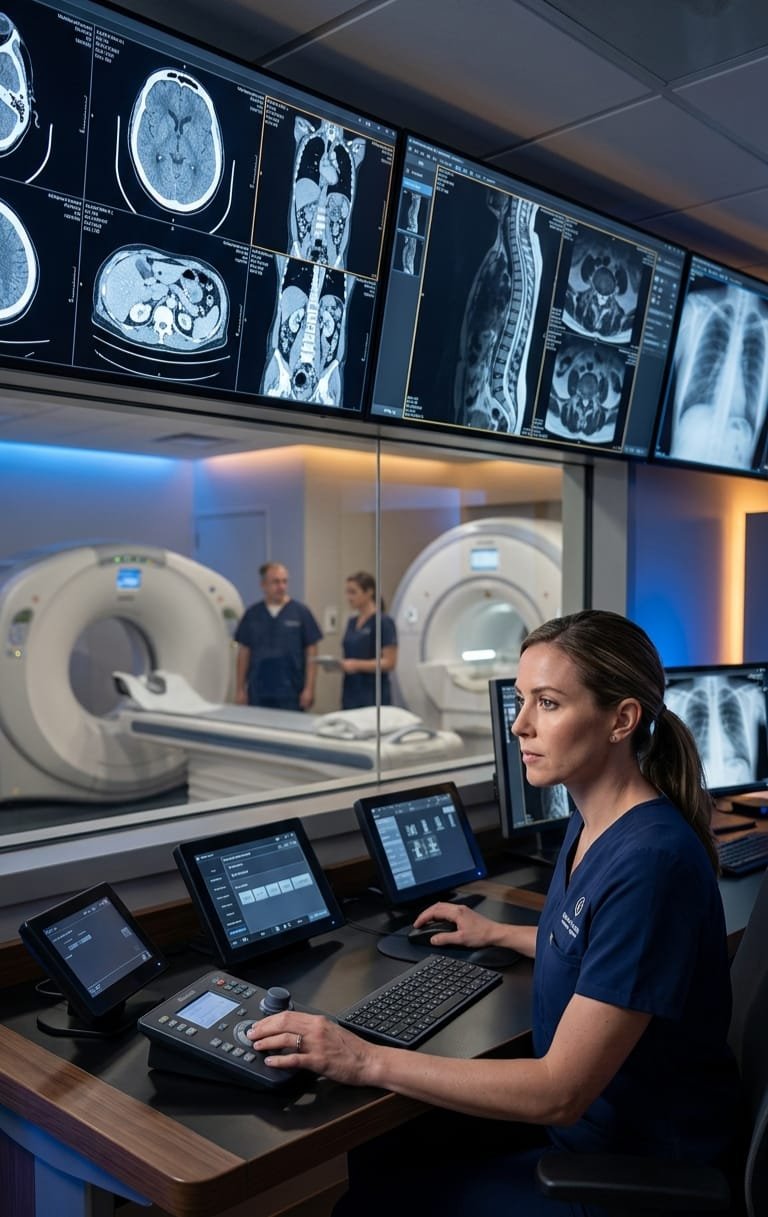
Magnetic Resonance Imaging (MRI) is a safe, non-invasive diagnostic imaging technique that uses strong magnetic fields and radio waves to generate detailed images of the internal structures of the body. It is especially useful for examining soft tissues, organs, and the nervous system. Unlike X-rays and CT scans, MRI does not use ionizing radiation, making it a safer option for repeated imaging.

Uses of MRI

MRI is used by doctors to diagnose, monitor, and plan treatment for a wide range of conditions. Common uses include:

  • Brain and spinal cord imaging (e.g., tumors, stroke, multiple sclerosis)
  • Joint and musculoskeletal evaluations (e.g., ligament tears, arthritis)
  • Detection and monitoring of tumors and cancers
  • Examination of heart and blood vessels
  • Liver, kidney, and other abdominal organ assessments
  • Monitoring of certain chronic conditions

Types of MRI Tests

  • Brain MRI — evaluates brain tumors, strokes, and neurological conditions
  • Spine MRI — assesses spinal cord injuries, disc problems, and nerve compression
  • Joint MRI — images knees, shoulders, hips, and other joints for injuries and arthritis
  • Cardiac MRI — examines heart structure and function
  • Abdominal MRI — evaluates organs such as liver, kidneys, and pancreas
  • Breast MRI — used for breast cancer screening and diagnosis

Preparation for an MRI Scan

To ensure a smooth and accurate MRI procedure, please follow these preparation guidelines:

  • Clothing: Wear comfortable, loose-fitting clothing. You may be asked to change into a hospital gown.
  • Metal objects: Remove all metal items such as jewelry, hairpins, watches, belts, and hearing aids before the scan.
  • Medical devices: Inform the technician if you have any implanted medical devices (e.g., pacemakers, metal implants, cochlear implants).
  • Fasting: For some types of MRI scans, especially those involving the abdomen or pelvis, you may be asked not to eat or drink for a few hours before the scan.
  • Claustrophobia: If you are claustrophobic, inform us in advance. Options such as open MRI or mild sedation may be available.
  • Pregnancy: Always notify the technician if you are pregnant or suspect you might be.

Frequently Asked Questions (FAQs)

1. Is an MRI scan painful?
No, the MRI scan itself is painless. However, you may experience some discomfort from lying still or from the noise of the machine.

2. How long does an MRI scan take?
Most MRI scans take between 30 to 60 minutes, depending on the area being examined.

3. Can I eat or drink before the MRI scan?
In many cases, yes. However, fasting may be required for certain types of MRI. Please follow the specific instructions provided.

4. Is MRI safe for everyone?
MRI is safe for most people. However, patients with certain implants or metallic devices may not be suitable candidates. Always inform your doctor or technician beforehand.

5. What should I expect during the scan?
You will lie on a table that slides into the MRI machine. You’ll need to stay very still while the scan is in progress. The machine may make loud tapping or thumping sounds.

6. Will I feel claustrophobic?
Some patients may feel claustrophobic. If you're concerned, we offer open MRI options and may also provide a sedative to help you stay calm.

7. When will I get my MRI results?
MRI results are typically ready within 24 to 48 hours. Your referring doctor will review the findings and discuss the results with you.

8. Can children undergo MRI scans?
Yes, MRI scans are safe for children. In some cases, sedation may be used to help young children remain still during the procedure.


Cardiology Test

Cardiology Test

Cardiology Tests

Cardiology tests are specialized diagnostic procedures used to assess the health and function of the heart and blood vessels. These tests help detect heart diseases, monitor heart conditions, and guide treatment to prevent complications such as heart attacks or strokes.

Cardiology tests range from simple non-invasive procedures to more advanced imaging and monitoring techniques, providing critical information about your cardiovascular health.

Uses of Cardiology Tests

Cardiology tests are commonly used to:

  • Diagnose coronary artery disease and heart attacks
  • Evaluate heart rhythm disorders (arrhythmias)
  • Assess heart valve function and structure
  • Monitor blood pressure and blood flow
  • Detect congenital heart defects
  • Guide treatment for heart failure and other cardiac conditions
  • Evaluate chest pain and unexplained shortness of breath

Types of Cardiology Tests

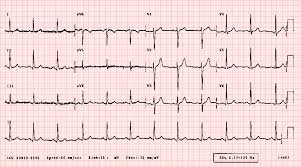
  • ECG (Electrocardiogram) — records heart’s electrical activity
  • Echocardiogram — ultrasound imaging of the heart
  • Stress Test — evaluates heart function under exercise
  • Holter Monitor — continuous heart rhythm recording
  • Cardiac Catheterization — invasive imaging of heart arteries

Preparation for Cardiology Tests

Preparation varies by test but generally includes:

  • Avoiding caffeine, smoking, and heavy meals before some tests like stress tests or Holter monitoring.
  • Wearing comfortable clothing and appropriate footwear for exercise tests.
  • Informing your doctor about all medications and health conditions.
  • Following fasting instructions if required for blood tests or certain imaging studies.

Always follow the specific preparation guidelines provided by your healthcare provider.

Frequently Asked Questions (FAQs)

1. What types of cardiology tests are there?
Common tests include ECG (electrocardiogram), echocardiogram, stress test, Holter monitoring, and cardiac catheterization.

2. Are cardiology tests painful?
Most cardiology tests are non-invasive and painless. Some procedures like catheterization may involve minor discomfort.

3. How long do cardiology tests take?
Duration varies from a few minutes for ECG to several hours for stress tests or catheterization.

4. Do I need to fast before a cardiology test?
Fasting may be required for some blood tests or imaging procedures. Follow your doctor’s instructions.

5. Can children undergo cardiology tests?
Yes, cardiology tests can be performed safely on children when necessary.

6. Will I need to avoid medications before the test?
Some medications may need to be paused before certain tests. Always consult your doctor.

7. When will I get my test results?
Results are usually available within hours to a few days depending on the test.

8. Are there any risks involved?
Most cardiology tests are safe. Invasive procedures carry small risks which will be explained by your doctor.


Ultrasound

Ultrasound

Ultrasound Scan

Ultrasound, also known as sonography, is a safe and non-invasive imaging technique that uses high-frequency sound waves to produce real-time images of the internal organs and tissues. It is widely used in medical diagnostics because it does not involve radiation and provides immediate results.

Ultrasound is commonly used to assess soft tissues, blood flow, and fetal development during pregnancy. It is a painless procedure that helps doctors diagnose and monitor various medical conditions.

Uses of Ultrasound

Ultrasound scans are commonly used for:

  • Monitoring fetal development during pregnancy
  • Examining the abdomen and pelvic organs (e.g., liver, kidneys, bladder, uterus, ovaries)
  • Evaluating blood flow in arteries and veins (Doppler ultrasound)
  • Diagnosing conditions of the heart (echocardiography)
  • Guiding needle biopsies and other minimally invasive procedures
  • Assessing muscles, tendons, and joints for injuries or abnormalities

Types of Ultrasound Tests

  • Abdominal Ultrasound — examines organs like liver, kidneys, and gallbladder
  • Pelvic Ultrasound — evaluates reproductive organs
  • Obstetric Ultrasound — monitors fetal development during pregnancy
  • Doppler Ultrasound — assesses blood flow in vessels
  • Thyroid Ultrasound — inspects the thyroid gland
  • Musculoskeletal Ultrasound — evaluates muscles, tendons, and joints

Preparation for an Ultrasound Scan

Preparation for an ultrasound scan varies depending on the type of ultrasound:

  • Abdominal ultrasound: You may be asked to fast (avoid food and drinks) for 6 to 8 hours before the scan to reduce gas and improve image quality.
  • Pelvic ultrasound: You might need to drink several glasses of water and avoid urinating beforehand to ensure your bladder is full.
  • Other types: Generally, no special preparation is needed for ultrasounds of the thyroid, breast, or musculoskeletal system.

Always follow the specific instructions given when you schedule your appointment.

Frequently Asked Questions (FAQs)

1. Is an ultrasound scan painful?
No, ultrasound scans are painless and non-invasive. You may feel slight pressure when the technician moves the transducer on your skin.

2. How long does an ultrasound scan take?
Ultrasound scans usually take between 15 to 45 minutes, depending on the area being examined.

3. Is ultrasound safe during pregnancy?
Yes, ultrasound is safe for both mother and baby and is routinely used for monitoring pregnancy.

4. Can I eat before an ultrasound?
For some types of ultrasounds, like abdominal scans, fasting may be required. For others, normal eating is fine.

5. Do I need to wear special clothing?
Wear loose, comfortable clothing. You may be asked to remove clothing and wear a gown over the area being examined.

6. Can ultrasound detect cancer?
Ultrasound can identify abnormal masses or tumors, but further tests like biopsies or MRI may be needed for definitive diagnosis.

7. Are there any risks associated with ultrasound?
Ultrasound is very safe and does not use radiation. There are no known risks when performed properly.

8. When will I get my results?
Results are usually available within a few hours to a couple of days. Your doctor will discuss the findings with you.


Pathology

Cancer Marker

Cancer Marker

Cancer Marker Test (Tumor Marker Test)

Cancer marker tests, also known as tumor marker tests, are specialized blood tests that measure the levels of certain proteins or substances produced by cancer cells or by the body in response to cancer. These tests are often used alongside imaging and biopsy to help diagnose, monitor, and manage different types of cancer.

Uses of Cancer Marker Tests

  • Early detection and diagnosis of certain cancers
  • Monitoring cancer treatment response (chemotherapy, radiation, surgery)
  • Checking for cancer recurrence after treatment
  • Identifying cancer progression or spread
  • Supporting differential diagnosis when combined with other investigations

Types of Cancer Marker Tests

  • Prostate-Specific Antigen (PSA) – for prostate cancer
  • CA-125 – for ovarian cancer
  • Alpha-Fetoprotein (AFP) – for liver & testicular cancers
  • Carcinoembryonic Antigen (CEA) – for colorectal & pancreatic cancer
  • CA 19-9 – for pancreatic & gastrointestinal cancers
  • CA 15-3 / CA 27.29 – for breast cancer
  • Beta-hCG – for testicular & gestational trophoblastic tumors
  • Thyroglobulin (Tg) – for thyroid cancer monitoring
  • Chromogranin A (CgA) – for neuroendocrine tumors

Preparation for Cancer Marker Tests

  • Generally, no fasting or special preparation is required
  • Inform your doctor about any ongoing medications, supplements, or existing health conditions
  • Some tests may require avoidance of certain foods, alcohol, or strenuous exercise before testing (as advised by doctor)
  • Follow specific instructions provided for individual tumor marker tests

Frequently Asked Questions (FAQs)

1. What are cancer markers?
Cancer markers are substances, often proteins, that are found in blood, urine, or tissues. Elevated levels may indicate the presence of cancer.

2. Can a cancer marker test alone diagnose cancer?
No, cancer marker tests cannot confirm cancer on their own. They are used along with imaging, biopsy, and other tests.

3. Who should get cancer marker tests?
People with a family history of cancer, those undergoing cancer treatment, or patients being monitored for recurrence may be advised to take these tests.

4. Do high cancer marker levels always mean cancer?
Not necessarily. Some markers can also be elevated in non-cancerous conditions like infections, inflammation, or liver disease.

5. How often should cancer marker tests be done?
Frequency depends on whether it’s for screening, monitoring treatment, or follow-up. Your doctor will decide the schedule.

6. Are there risks in the test?
No major risks. It’s a simple blood test with minimal discomfort.

7. Can these tests detect all types of cancer?
No, only certain cancers have identifiable markers. Other cancers may not show up in marker tests.

8. Why are multiple tests sometimes recommended together?
Because no single marker is specific for all cancers, combining tests improves diagnostic accuracy.


Pre Natal Screening

Pre Natal Screening

Prenatal Screening

Prenatal screening blood tests are essential during pregnancy to evaluate the health of both the mother and the developing baby. These tests help identify risks of chromosomal abnormalities (like Down syndrome, Edwards syndrome), genetic conditions, gestational diabetes, anemia, thyroid disorders, and infections. Early detection allows doctors to plan timely care and interventions for a safer pregnancy.

Uses of Prenatal Screening  Tests

  • Detect risk of chromosomal disorders (Down syndrome, Trisomy 18, Trisomy 13)
  • Screen for genetic abnormalities
  • Identify maternal health conditions (diabetes, thyroid disease, anemia, Rh incompatibility)
  • Monitor the baby’s growth and development
  • Guide doctors in planning further diagnostic tests or treatments
  • Provide parents with information for better pregnancy management

Types of Prenatal Blood Tests

  • First Trimester Screening (Blood Test )
    • Measures hCG (Human Chorionic Gonadotropin) and PAPP-A (Pregnancy-Associated Plasma Protein A)
  • Second Trimester Screening (Quadruple Test)
    • Measures AFP (Alpha-Fetoprotein), hCG, Estriol, and Inhibin-A
  • Non-Invasive Prenatal Testing (NIPT)
    • Analyzes fetal DNA from maternal blood for chromosomal abnormalities
  • Blood Group & Rh Factor Test
  • Hemoglobin & Anemia Screening
  • Thyroid Function Tests (TFTs)
  • Glucose Tolerance Test (GTT) for gestational diabetes

Preparation for Prenatal Blood Tests

  • Most blood tests do not require special preparation
  • For glucose tolerance test, fasting may be required (as per doctor’s instructions)
  • Carry previous medical records, prescriptions, and ultrasound reports
  • Stay hydrated and follow your doctor’s guidance
  • Inform your doctor if you are on any medication or supplements

Frequently Asked Questions (FAQs)

1. What is the purpose of prenatal screening?
Prenatal screening helps detect possible genetic or chromosomal abnormalities and assesses maternal health risks during pregnancy.

2. Is prenatal screening mandatory?
No, it is optional but highly recommended for early risk detection and better pregnancy care.

3. When are these blood tests done?

  • First trimester: 11–14 weeks
  • Second trimester: 15–20 weeks
  • NIPT can be done from the 10th week of pregnancy onwards.

4. What is NIPT and how is it different?
Non-Invasive Prenatal Testing (NIPT) is a highly accurate blood test that analyzes fetal DNA in the mother’s blood to detect chromosomal abnormalities.

5. Are there any risks in prenatal blood testing?
No, these are simple blood tests and pose no risk to mother or baby.

6. Will abnormal results confirm a problem?
Not always. Abnormal results indicate higher risk, and your doctor may recommend confirmatory tests like amniocentesis or chorionic villus sampling (CVS).

7. Do I need to fast before these tests?
Only for certain tests like glucose tolerance test (GTT). Most prenatal blood tests do not require fasting.

8. Can these tests detect all birth defects?
No, they can identify common chromosomal and genetic risks but not all conditions.


Pathology Tests

Pathology Tests

Pathology Tests

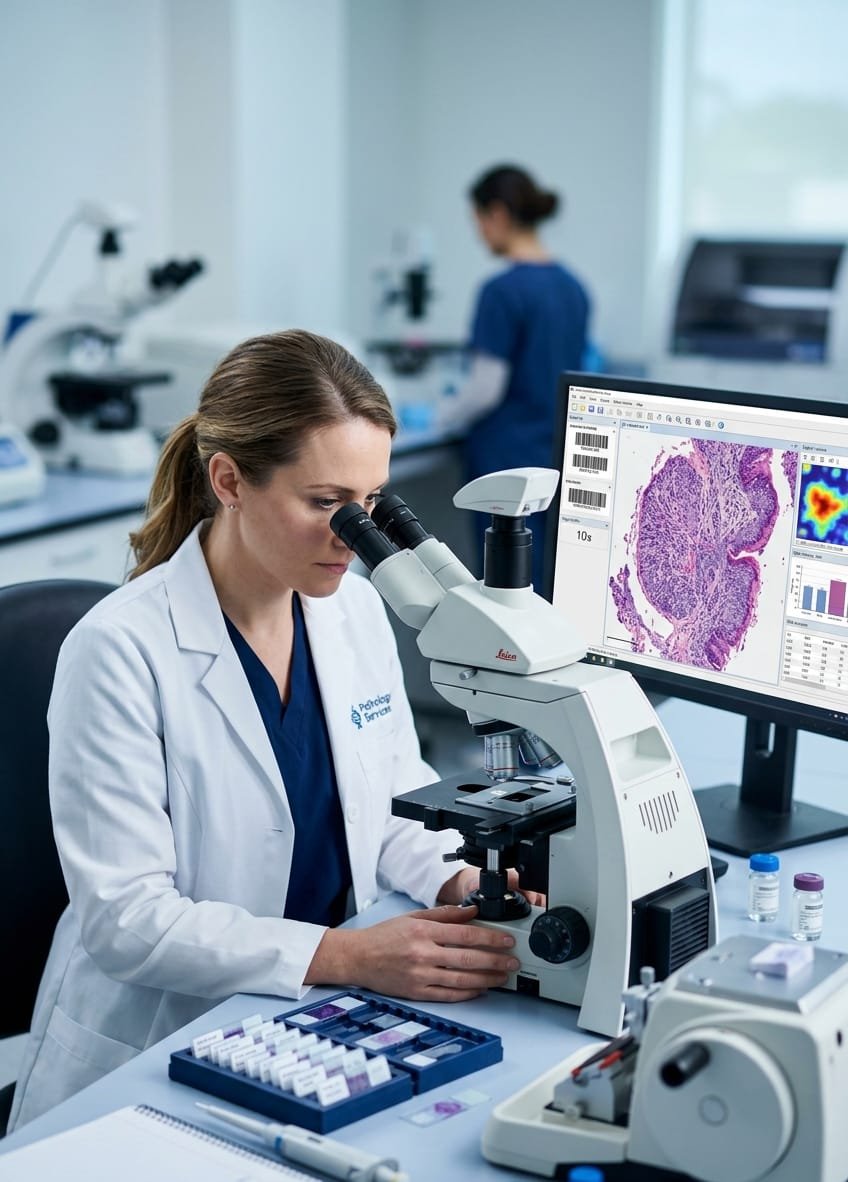
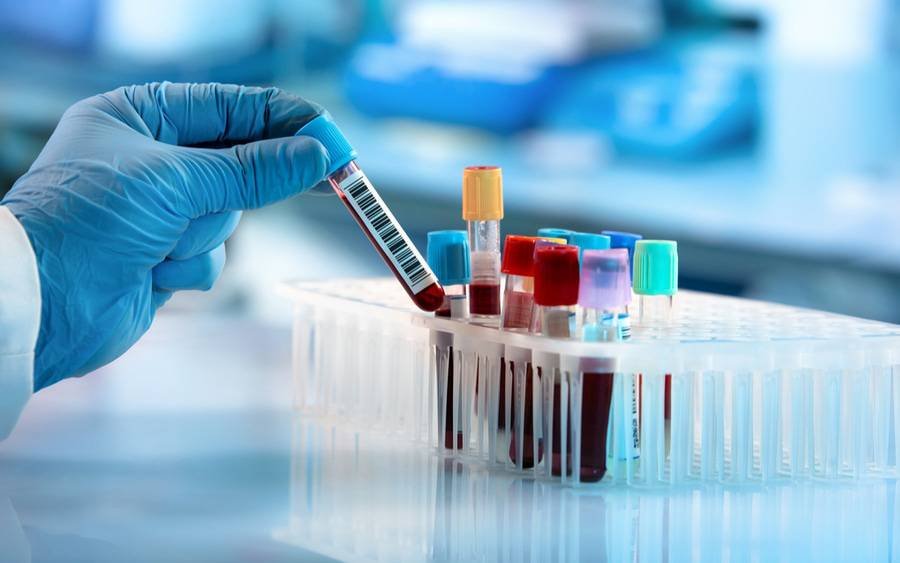
Pathology tests are medical diagnostic procedures that analyze samples of blood, urine, tissue, or other bodily fluids to detect diseases, monitor health conditions, and guide treatment decisions. They play a critical role in disease prevention, diagnosis, and management.

These tests are typically conducted in laboratories and are essential for accurate medical assessments across all specialties.

Types of Pathology Tests

  • Hematology Tests — Assess blood health (e.g., Complete Blood Count [CBC], ESR)
  • Biochemistry Tests — Evaluate organ function (e.g., liver function tests, blood sugar, cholesterol)
  • Microbiology Tests — Detect infections caused by bacteria, viruses, or fungi (e.g., culture tests)
  • Histopathology — Examination of tissue samples (e.g., biopsy analysis)
  • Cytology — Study of cells (e.g., Pap smear)
  • Immunology Tests — Detect immune-related conditions (e.g., autoimmune disorders, allergies)
  • Molecular Pathology — Analyze DNA/RNA for genetic and infectious diseases
  • Urine and Stool Analysis — Detect infections, kidney issues, digestive problems

Uses of Pathology Tests

  • Diagnosing infections and chronic diseases
  • Monitoring diabetes, kidney, and liver function
  • Screening for cancer and genetic disorders
  • Evaluating organ function
  • Supporting pre-surgical evaluations
  • Monitoring the effectiveness of treatments
  • Early detection of health conditions

Preparation

Preparation depends on the specific test, but generally includes:

  • Fasting: Required for blood sugar, lipid profile, and some hormone tests
  • Hydration: Drink adequate water before urine tests
  • Medication Disclosure: Inform your healthcare provider of all current medications
  • Sample Collection: Follow sample collection instructions strictly for accurate results
  • Avoid Alcohol and Certain Foods: Prior to some tests like liver function or allergy tests


Frequently Asked Questions (FAQs)

1. Are pathology tests painful?
Most tests, such as blood draws or urine samples, involve minimal discomfort.

2. Do I need to fast before every test?
Not all tests require fasting. Your healthcare provider will let you know which ones do.

3. How soon will I get my test results?
Basic tests may provide results within hours; complex tests might take a few days.

4. Can I take my regular medication before the test?
Some tests may require pausing certain medications. Consult your doctor beforehand.

5. Are pathology tests safe during pregnancy?
Yes, most routine pathology tests are safe for pregnant women.

6. How accurate are pathology test results?
Laboratory tests are highly accurate when conducted correctly and interpreted properly.

7. What should I bring for the test?
Carry a doctor’s prescription (if applicable), valid ID, and any prior test reports.

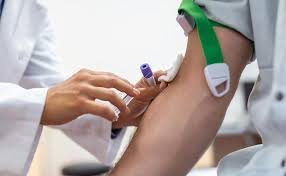
8. Can I do pathology tests at home?
Yes, We offer home collection services for samples like blood or urine. Check with your provider.


Genetic Tests

Genetic Tests

Genetic Tests (Pathology)

Genetic testing in pathology involves the analysis of DNA, RNA, chromosomes, or proteins to detect inherited conditions, assess disease risks, and personalize treatment strategies. These tests provide insights into a person’s genetic makeup and help diagnose a wide range of genetic disorders, including cancer predispositions, congenital anomalies, and rare inherited diseases.

Genetic testing is often recommended for individuals with a family history of certain diseases or symptoms suggesting a genetic cause.

Types of Genetic Tests

  • Diagnostic Genetic Testing — Identifies or confirms a suspected genetic condition
  • Predictive/Presymptomatic Testing — Assesses the risk of developing inherited disorders (e.g., BRCA1/BRCA2 for breast cancer)
  • Carrier Testing — Determines if a person carries a gene for a recessive condition
  • Prenatal Genetic Testing — Detects genetic conditions in a fetus
  • Newborn Screening — Screens newborns for metabolic and genetic disorders
  • Pharmacogenomic Testing — Predicts response to certain medications based on genetic profile
  • Whole Exome/Genome Sequencing — Provides comprehensive genetic analysis

Uses of Genetic Testing

  • Diagnosing inherited genetic disorders
  • Assessing risk for certain cancers and diseases
  • Determining carrier status in family planning
  • Tailoring medical treatments to genetic profiles
  • Monitoring and managing genetic conditions
  • Identifying inherited causes of unexplained symptoms
  • Supporting early intervention and personalized medicine

Preparation

  • Pre-test Counseling: Usually recommended to explain benefits, limitations, and potential outcomes
  • Family History: Providing a detailed family health history helps in test selection and interpretation
  • Informed Consent: You may need to sign a consent form before testing
  • Sample Collection: Usually involves a blood sample, cheek swab, or tissue sample
  • No Fasting Required: Most genetic tests do not require fasting unless paired with other diagnostics


Frequently Asked Questions (FAQs)

1. What is genetic testing used for?
It helps detect inherited conditions, assess disease risks, and guide personalized treatments.

2. Is genetic testing safe?
Yes, it usually involves a simple blood draw or cheek swab and carries no physical risk.

3. How accurate is genetic testing?
Genetic tests are highly accurate but must be interpreted in a clinical context.

4. Do I need genetic counseling?
Yes, genetic counseling is often recommended before and after testing to understand results and implications.

5. Can genetic tests predict all diseases?
No, they can assess risk but not all diseases have a known or testable genetic component.

6. Is my genetic information confidential?
Yes, your genetic data is protected under privacy laws and handled with strict confidentiality.

7. Will insurance cover genetic testing?
It depends on your policy and the medical necessity of the test. Always check with your insurer.

8. Can genetic testing be done at home?
Some tests are available for home collection, but clinical-grade testing is typically done in certified labs.


Health Packages

RPL Fever Panel - Comprehensive

RPL Fever Panel - Comprehensive

₹4,999.00 / ₹2,499.00

    The RPL Fever Panel – Comprehensive is specially designed to diagnose the most common causes of fever in a single package. Fever can be a symptom of various infections such as dengue, typhoid, chikungunya, malaria, or urinary infections, which often show similar signs in the early stages. This panel combines critical tests to help doctors identify the exact cause quickly and ensure accurate treatment.

    Benefits

    • Early & Accurate Diagnosis: Detects the most common fever-related infections in one go.
    • Comprehensive Coverage: Screens for viral, bacterial, and parasitic causes of fever.
    • Prevents Misdiagnosis: Differentiates between diseases with overlapping symptoms like dengue, malaria, and typhoid.
    • Faster Treatment Decisions: Enables doctors to start the right treatment at the right time.
    • Convenient & Cost-Effective: Multiple tests combined into a single package for complete fever evaluation.
    • Overall Health Check: CBC and urine examination provide insights into overall infection levels and body response.

    Frequently Asked Questions (FAQs)

    Q1: Who should get the RPL Fever Panel – Comprehensive?
    A: Anyone experiencing persistent fever, body ache, fatigue, chills, or other infection-related symptoms should consider this test panel.

    Q2: Why are multiple tests included for fever?
    A: Because diseases like dengue, malaria, chikungunya, and typhoid often present with similar symptoms, a combined test panel ensures correct identification of the cause.

    Q3: Do I need to fast before the tests?
    A: Fasting is generally not required, but follow your doctor’s instructions if advised.

    Q4: How long does it take to get the results?
    A: Most results are available within 24–48 hours, depending on the specific tests.

    Q5: Can this panel detect the exact cause of fever?
    A: Yes, the combination of tests helps pinpoint the underlying infection, making treatment more effective.

    Q6: What should I do after receiving the results?
    A: Share the report with your doctor immediately so that appropriate treatment can be started without delay.

RPL ANC PROFILE 1

RPL ANC PROFILE 1

₹2,499.00 / ₹1,499.00

    RPL ANC Profile 1

    Introduction

    The RPL ANC Profile 1 package is a specially designed set of essential tests for expecting mothers. During pregnancy, regular health checkups are important to ensure the safety and well-being of both mother and baby. This profile helps in the early detection of infections, monitoring thyroid function, blood sugar levels, and overall maternal health. By combining key blood and urine investigations, this package provides a complete overview for safe and healthy pregnancy management.

    Benefits

    • Maternal Health Monitoring: Tracks overall health indicators like blood count, sugar levels, and thyroid function.
    • Infection Screening: Detects viral infections such as Hepatitis B and HIV, crucial for mother and child safety.
    • Blood Group & Rh Typing: Identifies mother’s blood type and Rh factor, important in preventing complications like Rh incompatibility.
    • Pregnancy Safety: Early detection of conditions like anemia, thyroid imbalance, or infections ensures timely treatment.
    • Urinary & Inflammatory Check: Identifies urinary tract infections and monitors inflammation levels that may affect pregnancy.
    • Complete Care in One Package: Combines vital tests into a single, convenient package tailored for antenatal care.

    Frequently Asked Questions (FAQs)

    Q1: Who should take the RPL ANC Profile 1?
    A: This package is recommended for all pregnant women as part of routine antenatal care to ensure the health of both mother and baby.

    Q2: Why are these tests important during pregnancy?
    A: They help detect infections, monitor maternal health, and check for conditions that may affect pregnancy outcomes, ensuring early treatment if required.

    Q3: Do I need to fast before these tests?
    A: Fasting is generally not required for this profile, but your doctor may advise otherwise depending on your condition.

    Q4: When should I get the ANC Profile done?
    A: It is usually advised during the first antenatal visit and may be repeated later as per your doctor’s recommendation.

    Q5: How long will it take to get results?
    A: Most results are available within 24–48 hours.

    Q6: Will my doctor explain the results?
    A: Yes, your gynecologist or healthcare provider will review your results and guide you on the next steps if any abnormalities are found.

Test@Home

Diagnostic At Home

Diagnostic At Home

Diagnostic At Home

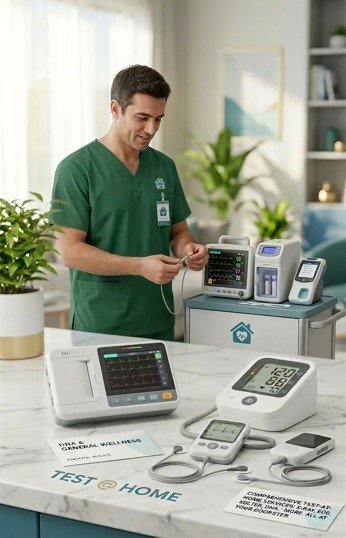
We bring a wide range of advanced diagnostic services directly to your home, making healthcare more accessible, comfortable, and stress-free. From cardiac and neurological monitoring to respiratory, metabolic, and nerve conduction tests, our experienced team ensures high-quality care using state-of-the-art portable equipment.

Types of Tests Offered at Home

  • ABPM (Ambulatory Blood Pressure Monitoring) – 24-hour BP tracking for detecting hypertension
  • NCV (Nerve Conduction Velocity) – Evaluates nerve damage and signal transmission
  • EMG (Electromyography) – Assesses muscle function and neuromuscular disorders
  • PFT (Pulmonary Function Test) – Measures lung capacity and respiratory health
  • SSR (Sympathetic Skin Response) – Checks autonomic nervous system function
  • Holter Monitoring – Continuous ECG for detecting arrhythmias
  • Sleep Study (Polysomnography) – Diagnoses sleep disorders like sleep apnea
  • EEG (Electroencephalogram) – Brain wave monitoring for seizures and neurological issues

...and many more customized diagnostic services available on request.

Preparation

  • Varies based on the test type (e.g., fasting may be required for blood tests or lipid profiles)
  • Wear comfortable, loose-fitting clothing
  • Keep skin clean and free of oils or lotions for neurological and ECG-based tests
  • Avoid caffeine and heavy meals for certain respiratory or cardiac evaluations
  • Consult your doctor or our team for specific test instructions

Frequently Asked Questions (FAQs)

1. Can I get multiple tests done in one home visit?
Yes, we can schedule multiple tests during a single visit for your convenience.

2. How do I know which test I need?
Our clinical team can coordinate with your doctor’s prescription or assist with appropriate recommendations.

3. Are these tests reliable when done at home?
Absolutely. We use hospital-grade portable equipment with trained professionals to ensure clinical accuracy.

4. Will I get a report?
Yes, digital and printed reports are shared within 24–72 hours, depending on the test.

5. Is there a home visit charge?
A minimal home collection/service charge may apply. Discounts are available for packages or multiple tests.

6. Is there any age restriction for these tests?
No, tests can be performed on patients of all ages, including children and the elderly.

7. What if I need help understanding the report?
We offer teleconsultation services with specialists to help interpret the results.

8. How do I book a home diagnostic test?
You can book via our website, app, or customer care number. We’ll schedule your test as per your availability.


Doctor Consultation

Doctor Consultation

Doctor Consultation at Home

Introduction

Doctor Consultation at Home allows patients to receive medical advice, diagnosis, and treatment from certified doctors in the comfort of their home. It is ideal for elderly patients, those with mobility issues, or anyone who prefers avoiding long waiting times at clinics and hospitals.

Uses of Doctor Consultation at Home

  • Immediate medical attention without travel
  • Convenient care for elderly, bedridden, or post-surgical patients
  • Early diagnosis and treatment of illnesses at home
  • Prevents unnecessary hospital visits for minor issues
  • Support in managing chronic conditions
  • Personalized attention and more time with the doctor
  • Safe option for patients with weak immunity

Types of Doctor Consultations Available

  • General Physician Consultation – For common illnesses like fever, infections, cough, body pain, etc.
  • Specialist Consultation – Cardiologist, Neurologist, Orthopedic, Pediatrician, Gynecologist, and more.
  • Follow-up Consultation – Post-surgery or ongoing treatment reviews.
  • Elderly Care Consultation – Regular health check-ups for senior citizens.
  • Chronic Disease Management – Diabetes, hypertension, thyroid, kidney, or heart-related conditions.

Preparation / Requirements

  • Keep patient’s medical records, prescriptions, and recent reports ready
  • Maintain a clean, well-lit, and quiet environment for consultation
  • For specialist consultation, referral or previous history is recommended
  • Family members may be present to assist with details and follow-up care
  • For online/video consultation (if offered), ensure a smartphone/laptop with good internet connection

Frequently Asked Questions (FAQs)

1. Which doctors are available for home consultation?
We provide General Physicians as well as Specialists (Cardiologists, Neurologists, Orthopedics, Pediatricians, Gynecologists, etc.) depending on the patient’s needs.

2. How is home consultation different from clinic visits?
You get the same medical expertise at home with added comfort, convenience, and personalized care.

3. Can the doctor prescribe medicines during home consultation?
Yes, the doctor can provide valid prescriptions after examining the patient.

4. Is it suitable for emergency cases?
No. For critical or emergency situations (like heart attack, stroke, severe injury), hospital emergency services are recommended.

5. Can doctors at home recommend lab tests or scans?
Yes, they may suggest tests, and sample collection or diagnostic tests can be arranged at home if required.

6. Are elderly patients the main beneficiaries?
While elderly patients benefit greatly, anyone preferring convenience and personalized care can use this service.

7. Is follow-up consultation possible at home?
Yes, doctors can schedule follow-ups at home or via tele-consultation.


Home Care Services

Home Care Services

Home Care Services

Introduction

Home Care Services bring professional healthcare to the comfort of your home. From routine care to critical support, trained healthcare professionals ensure patients receive personalized medical attention in a safe and familiar environment.

Uses of Home Care Services

  • Post-surgical recovery at home
  • Long-term care for elderly or bedridden patients
  • Support for patients with chronic conditions (diabetes, hypertension, cancer, etc.)
  • Palliative care and end-of-life care with dignity
  • ICU-level management for patients unable to commute to hospitals
  • Reducing hospital-acquired infections by offering treatment at home
  • Cost-effective alternative to prolonged hospital stay

Types of Home Care Services

  • General Duty Assistant (GDA) at Home
    Provides basic patient care including daily activities (feeding, bathing, mobility assistance), vital monitoring, and companionship under medical guidance.
  • Nursing Care at Home
    Skilled nursing support for medication administration, wound dressing, injections, IV therapy, catheter care, post-surgical recovery, and chronic illness management.
  • ICU at Home
    Advanced critical care setup with ICU-trained nurses, monitoring equipment (ventilator, cardiac monitor, oxygen support), and round-the-clock supervision for patients who require intensive medical attention.

Preparation / Requirements

  • Provide medical history and doctor’s prescription to the care team
  • Ensure a safe, hygienic, and quiet environment at home
  • Availability of basic utilities like electricity and space for equipment setup
  • For ICU at Home: pre-arrangement of medical devices (ventilator, monitor, oxygen concentrator, infusion pumps, etc.) coordinated by the provider
  • Designate a family member/caregiver for coordination with medical staff

Frequently Asked Questions (FAQs)

1. What is the difference between GDA and Nursing care?
GDA provides basic supportive care, while Nursing care involves skilled medical procedures and medication management.

2. Is ICU at Home as effective as hospital ICU?
Yes, with advanced equipment and trained staff, ICU at Home can provide hospital-like critical care in selected cases under doctor supervision.

3. How are caregivers and nurses trained?
All professionals are certified, background-verified, and trained to handle patients with compassion and medical precision.

4. Can home care reduce hospital expenses?
Yes, home care is a cost-effective solution compared to prolonged hospital admission.

5. Who decides if ICU at Home is suitable?
A doctor evaluates the patient’s condition and approves ICU at Home setup when feasible.

6. What kind of patients need ICU at Home?
Critical patients requiring ventilator support, cardiac monitoring, or long-term intensive care benefit from ICU at Home.

7. Are home care services available 24x7?
Yes, nursing and ICU services can be arranged round-the-clock as per patient requirements.


X-Ray At Home

X-Ray At Home

X-Ray at Home Services

Introduction

X-Ray at Home service provides patients with the convenience of undergoing diagnostic imaging without visiting a hospital or diagnostic center. Using portable digital X-Ray machines, trained technicians perform the procedure at the patient’s home, and reports are generated by certified radiologists. This service is particularly beneficial for bedridden patients, elderly individuals, or those with limited mobility.

Uses of X-Ray at Home

  • Detection of fractures, bone injuries, and joint problems
  • Diagnosis of chest and lung conditions (like pneumonia, TB, or COVID-related complications)
  • Identifying arthritis, osteoporosis, or spinal issues
  • Monitoring post-surgical recovery (orthopedic implants, fracture healing)
  • Evaluating abdominal or digestive tract abnormalities
  • Convenient option for patients unable to travel to hospitals

Types of X-Rays Available at Home

  • Chest X-Ray
  • Abdomen X-Ray
  • Spine X-Ray (Cervical, Thoracic, Lumbar)
  • Joint X-Ray (Knee, Shoulder, Elbow, Hip, etc.)
  • Skull X-Ray
  • Dental X-Ray (if supported with portable machine)
  • Soft Tissue X-Ray
  • Specialized Views (as per doctor’s advice)

Preparation for X-Ray at Home

  • Keep previous X-Ray or medical records ready for comparison
  • Wear loose, comfortable clothing (remove jewelry, belts, or metallic objects)
  • Ensure a clean, well-lit space for technician setup
  • For certain X-Rays (like abdomen), patients may be advised fasting or specific instructions by the doctor beforehand
  • Pregnant women must inform the technician/doctor before the test

Frequently Asked Questions (FAQs)

1. Is the quality of X-Ray at home the same as in a hospital?
Yes, portable digital X-Ray machines provide high-quality images, interpreted by certified radiologists.

2. Who can benefit the most from home X-Ray services?
Elderly patients, bedridden individuals, post-surgery patients, or anyone who finds hospital visits difficult.

3. How long does the process take?
The procedure takes about 15–30 minutes, and digital reports are usually available within a few hours.

4. Is X-Ray at home safe?
Yes, it is safe and performed by trained technicians following radiation safety protocols.

5. Can I get chest X-Ray for visa/medical checkup at home?
Yes, chest X-Rays can be done at home for medical assessments, subject to doctor’s prescription.

6. Are female patients provided with protective shields?
Yes, lead aprons and shields are used to minimize exposure.


Holter Study  At Home

Holter Study At Home

Holter Study (Holter Monitor Test)

The Holter Study, also known as the Holter Monitor Test, is a non-invasive diagnostic test used to continuously monitor and record the electrical activity of the heart, typically over 24 to 48 hours or longer. It is particularly useful in detecting irregular heart rhythms (arrhythmias) that may not appear during a standard ECG (Electrocardiogram).

Test Type

  • Ambulatory Electrocardiography: Continuous ECG monitoring using a portable Holter device worn by the patient
  • Extended Holter Monitoring: Can last from 24 hours to 7 days, depending on the physician’s recommendation
  • Wireless or Patch Monitors: Newer versions may be lightweight, water-resistant, and more comfortable for daily activities

Uses of the Holter Study

  • Detect irregular heartbeats (arrhythmias) that occur intermittently
  • Evaluate palpitations, dizziness, fainting, or unexplained fatigue
  • Monitor effectiveness of heart medications
  • Detect silent (asymptomatic) arrhythmias
  • Assess functioning of pacemakers or other implanted cardiac devices
  • Investigate causes of stroke-like symptoms or syncope (sudden fainting)

Preparation

  • Clothing: Wear loose, comfortable clothing; avoid metal accessories during device placement
  • Bathing: Avoid showering, bathing, or swimming while wearing the Holter monitor (unless specified otherwise)
  • Activity Log: You may be asked to keep a diary of your symptoms and daily activities during the monitoring period
  • Avoid Electronics: Stay away from high-voltage areas or strong magnets, as they may interfere with the device
  • Medications: Continue your medications unless directed otherwise by your physician

Frequently Asked Questions (FAQs)

1. What is a Holter study used for?
It’s used to detect irregular heart rhythms and monitor heart activity over time, especially when symptoms are sporadic.

2. How long do I need to wear the Holter monitor?
Typically for 24 to 48 hours, but sometimes up to 7 days depending on the case.

3. Is the test painful or uncomfortable?
No, it is painless. You may feel slight skin irritation where the electrodes are placed.

4. Can I go about my normal activities while wearing it?
Yes, you can do most daily tasks, but avoid getting the monitor wet or exposing it to strong electromagnetic fields.

5. What should I do if I feel symptoms during monitoring?
Note the time and type of symptoms in your activity log so the doctor can correlate them with the recorded data.

6. Do I need to stop my medications for this test?
No, continue medications unless advised otherwise by your doctor.

7. How are the results analyzed?
After you return the device, the data is downloaded and analyzed by a cardiologist to check for any abnormalities.

8. When will I get the results?
Typically within 24 to 48 working Hours after returning the monitor.


Health Plans

India's best Healthcare membership plan!

View Our Health Plans →
Health Plan

24/7 Consultation

Care that fits your life - Anytime, Anywhere.

Schedule Consultation →
Video Consultation

About Us - Radpath Labs

At *Radpath Labs, we are committed to delivering reliable and high-quality diagnostic services through a trusted network of partner labs across **Delhi NCR. Specializing in **radiology and pathology*, we provide a seamless and accessible healthcare experience, ensuring that accurate diagnostics are just a step away—whether you're at home, work, or visiting a clinic. By collaborating with certified partner laboratories equipped with modern technology and skilled professionals, Radpath Labs ensures that every test is conducted with precision and care. Our platform simplifies test booking, sample collection, and report delivery, making healthcare more convenient and transparent for our customers.

100

Largest Phlebotomist Network

5000+

Satisfied Customers

1500+

Total Tests

20+

Partner Labs

Our Partners

Message from the Founder – Radpath Labs

After spending over three years in the healthcare industry, I realized there was a growing need for accessible, affordable, and reliable diagnostic services. With that vision in mind, I founded *Radpath Labs* in *February 2024*. Our mission is simple yet powerful — to make quality diagnostics easy, convenient, and affordable for everyone. By partnering with trusted labs across *Delhi NCR*, we bring radiology and pathology services closer to you, without compromising on accuracy or care. At Radpath Labs, we are driven by the belief that timely and precise diagnosis is the foundation of good health. We strive to deliver reports with the highest standards of quality while offering competitive and discounted pricing. Thank you for trusting us on your health journey.

Best Quality Assured

NABL Approved Labs

Fastest Report Delivery

Safe & Hygienic procedure

Sample collection by Experts

Download Apps

For Better Test
Download Mobile App

Experience convenience at your fingertips — download the app and take control today.