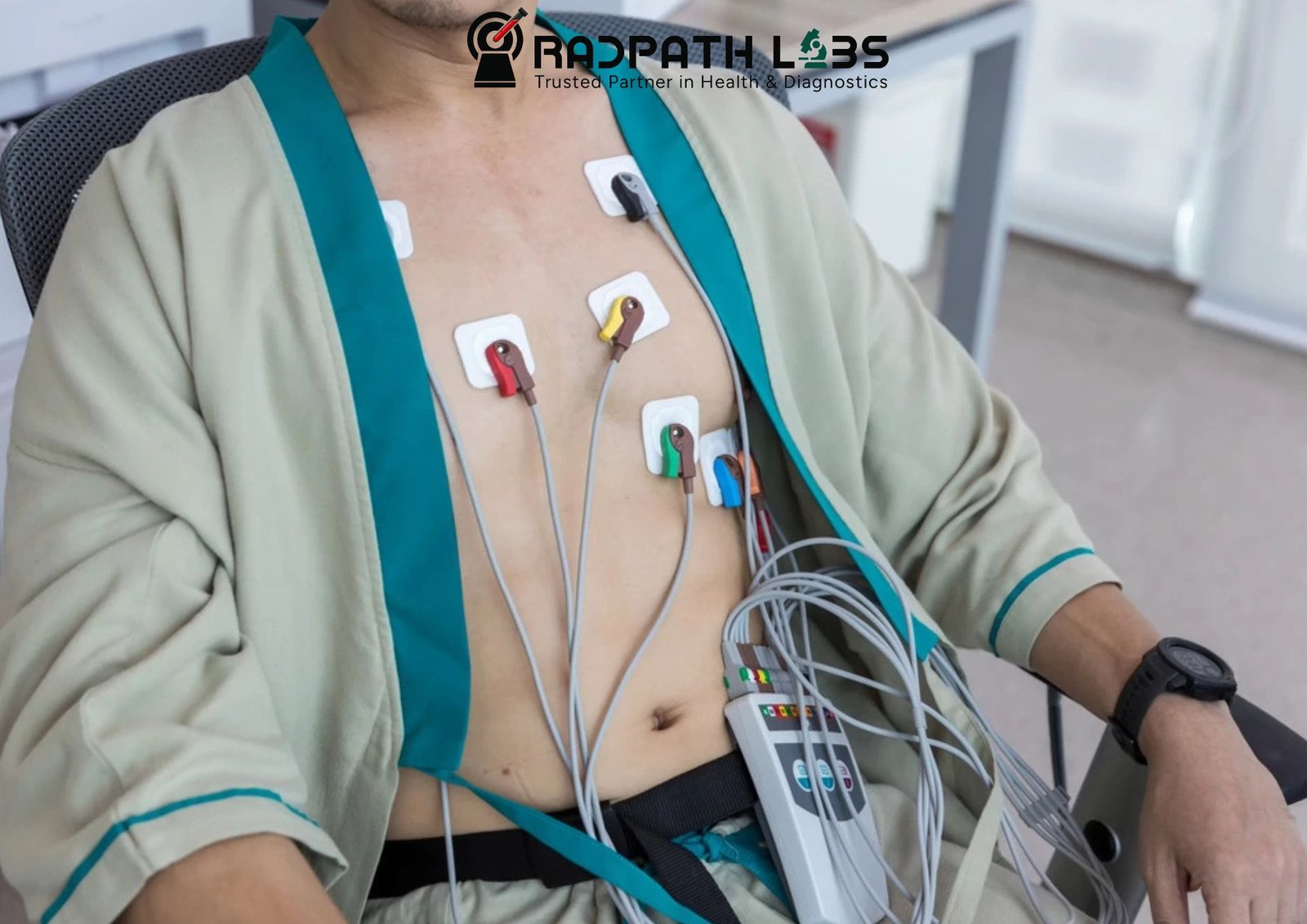
The Holter Study, also known as the Holter Monitor Test, is a non-invasive diagnostic test used to continuously monitor and record the electrical activity of the heart, typically over 24 to 48 hours or longer. It is particularly useful in detecting irregular heart rhythms (arrhythmias) that may not appear during a standard ECG (Electrocardiogram).
1. What is a Holter study used for?
It’s used to detect irregular heart rhythms and monitor heart activity over time, especially when symptoms are sporadic.
2. How long do I need to wear the Holter monitor?
Typically for 24 to 48 hours, but sometimes up to 7 days depending on the case.
3. Is the test painful or uncomfortable?
No, it is painless. You may feel slight skin irritation where the electrodes are placed.
4. Can I go about my normal activities while wearing it?
Yes, you can do most daily tasks, but avoid getting the monitor wet or exposing it to strong electromagnetic fields.
5. What should I do if I feel symptoms during monitoring?
Note the time and type of symptoms in your activity log so the doctor can correlate them with the recorded data.
6. Do I need to stop my medications for this test?
No, continue medications unless advised otherwise by your doctor.
7. How are the results analyzed?
After you return the device, the data is downloaded and analyzed by a cardiologist to check for any abnormalities.
8. When will I get the results?
Typically within 24 to 48 working Hours after returning the monitor.
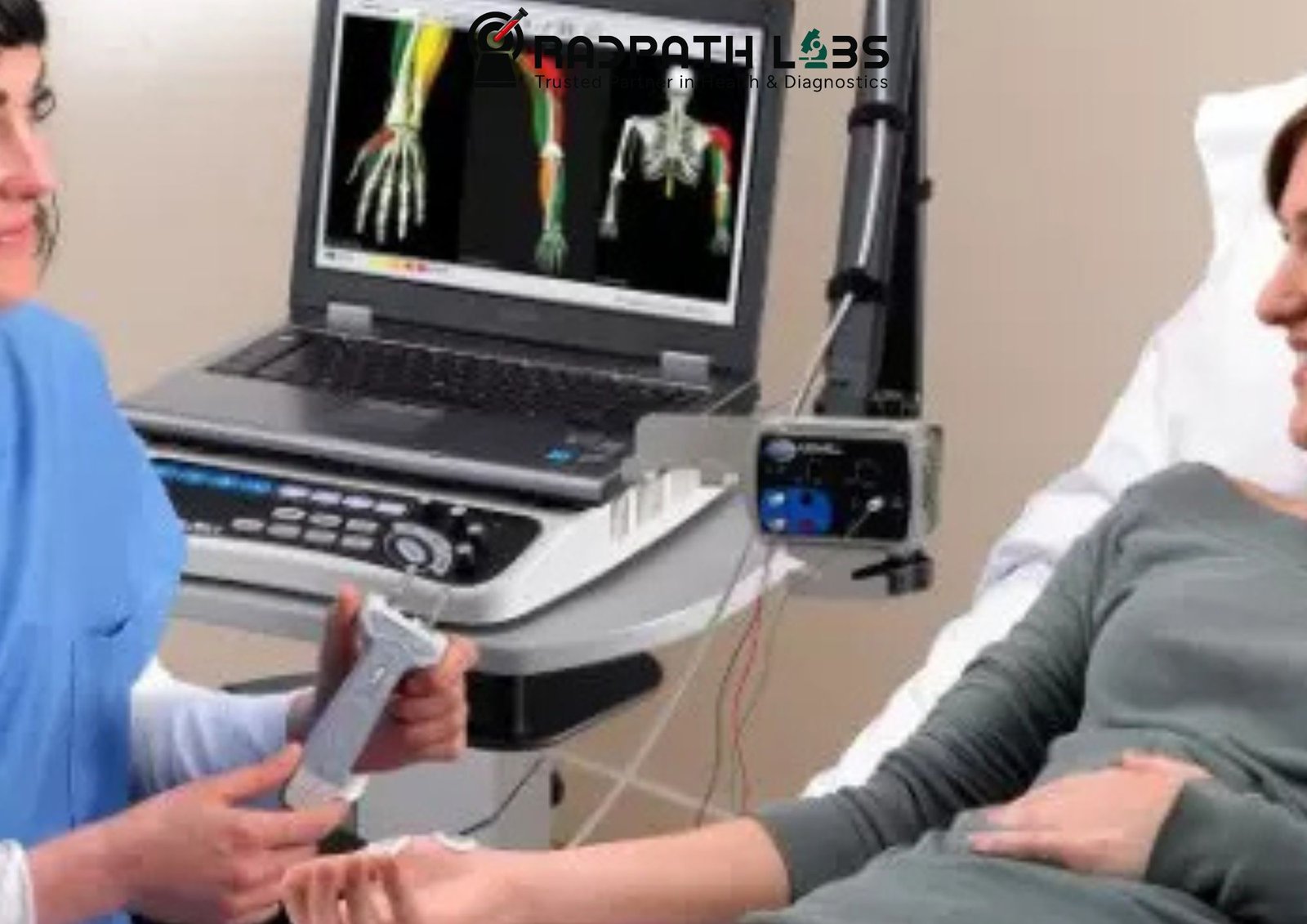
We bring a wide range of advanced diagnostic services directly to your home, making healthcare more accessible, comfortable, and stress-free. From cardiac and neurological monitoring to respiratory, metabolic, and nerve conduction tests, our experienced team ensures high-quality care using state-of-the-art portable equipment.
...and many more customized diagnostic services available on request.
1. Can I get multiple tests done in one home visit?
Yes, we can schedule multiple tests during a single visit for your convenience.
2. How do I know which test I need?
Our clinical team can coordinate with your doctor’s prescription or assist with appropriate recommendations.
3. Are these tests reliable when done at home?
Absolutely. We use hospital-grade portable equipment with trained professionals to ensure clinical accuracy.
4. Will I get a report?
Yes, digital and printed reports are shared within 24–72 hours, depending on the test.
5. Is there a home visit charge?
A minimal home collection/service charge may apply. Discounts are available for packages or multiple tests.
6. Is there any age restriction for these tests?
No, tests can be performed on patients of all ages, including children and the elderly.
7. What if I need help understanding the report?
We offer teleconsultation services with specialists to help interpret the results.
8. How do I book a home diagnostic test?
You can book via our website, app, or customer care number. We’ll schedule your test as per your availability.
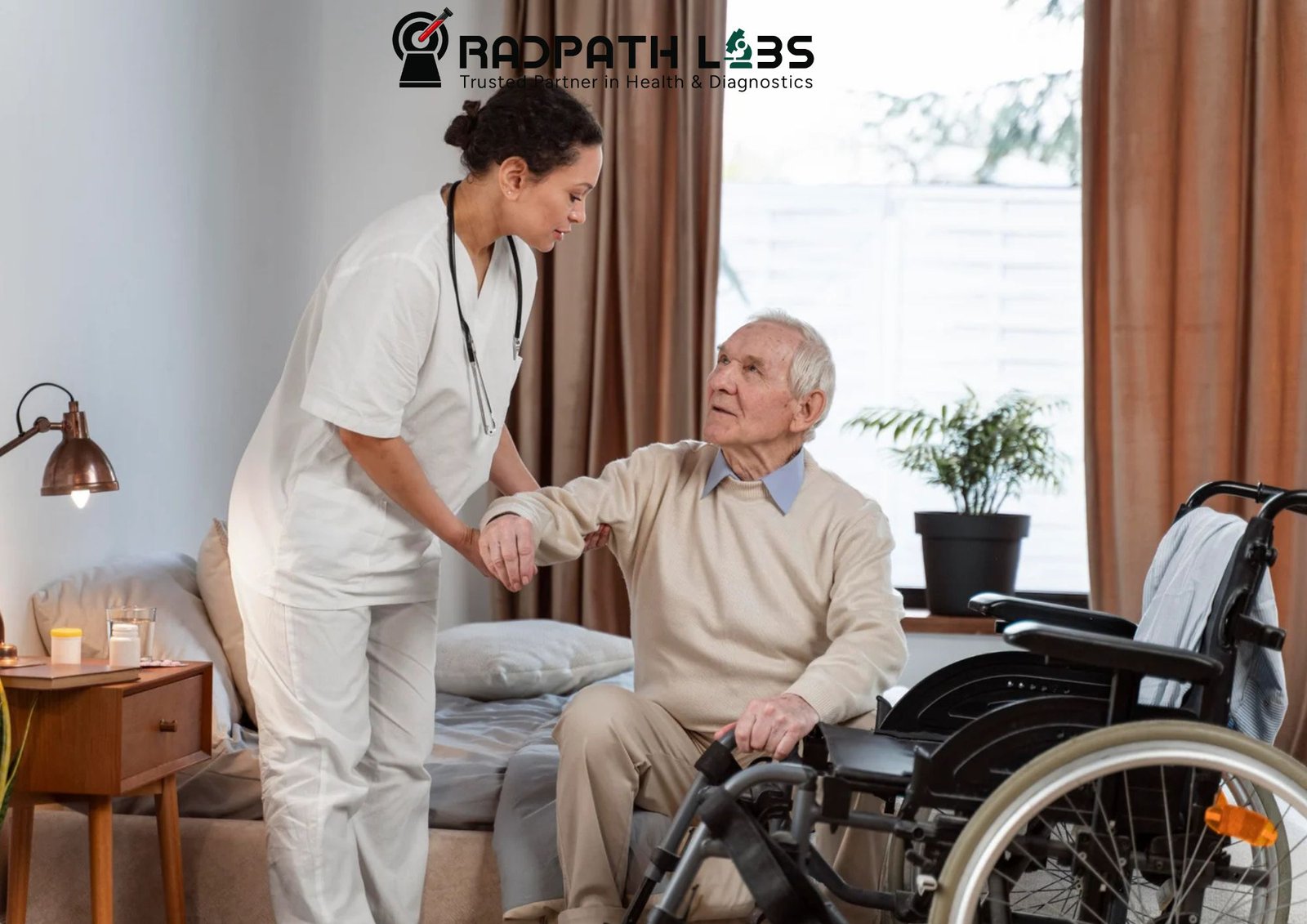
Doctor Consultation at Home allows patients to receive medical advice, diagnosis, and treatment from certified doctors in the comfort of their home. It is ideal for elderly patients, those with mobility issues, or anyone who prefers avoiding long waiting times at clinics and hospitals.
1. Which doctors are available for home consultation?
We provide General Physicians as well as Specialists (Cardiologists, Neurologists, Orthopedics, Pediatricians, Gynecologists, etc.) depending on the patient’s needs.
2. How is home consultation different from clinic visits?
You get the same medical expertise at home with added comfort, convenience, and personalized care.
3. Can the doctor prescribe medicines during home consultation?
Yes, the doctor can provide valid prescriptions after examining the patient.
4. Is it suitable for emergency cases?
No. For critical or emergency situations (like heart attack, stroke, severe injury), hospital emergency services are recommended.
5. Can doctors at home recommend lab tests or scans?
Yes, they may suggest tests, and sample collection or diagnostic tests can be arranged at home if required.
6. Are elderly patients the main beneficiaries?
While elderly patients benefit greatly, anyone preferring convenience and personalized care can use this service.
7. Is follow-up consultation possible at home?
Yes, doctors can schedule follow-ups at home or via tele-consultation.
Home Care Services bring professional healthcare to the comfort of your home. From routine care to critical support, trained healthcare professionals ensure patients receive personalized medical attention in a safe and familiar environment.
1. What is the difference between GDA and Nursing care?
GDA provides basic supportive care, while Nursing care involves skilled medical procedures and medication management.
2. Is ICU at Home as effective as hospital ICU?
Yes, with advanced equipment and trained staff, ICU at Home can provide hospital-like critical care in selected cases under doctor supervision.
3. How are caregivers and nurses trained?
All professionals are certified, background-verified, and trained to handle patients with compassion and medical precision.
4. Can home care reduce hospital expenses?
Yes, home care is a cost-effective solution compared to prolonged hospital admission.
5. Who decides if ICU at Home is suitable?
A doctor evaluates the patient’s condition and approves ICU at Home setup when feasible.
6. What kind of patients need ICU at Home?
Critical patients requiring ventilator support, cardiac monitoring, or long-term intensive care benefit from ICU at Home.
7. Are home care services available 24x7?
Yes, nursing and ICU services can be arranged round-the-clock as per patient requirements.
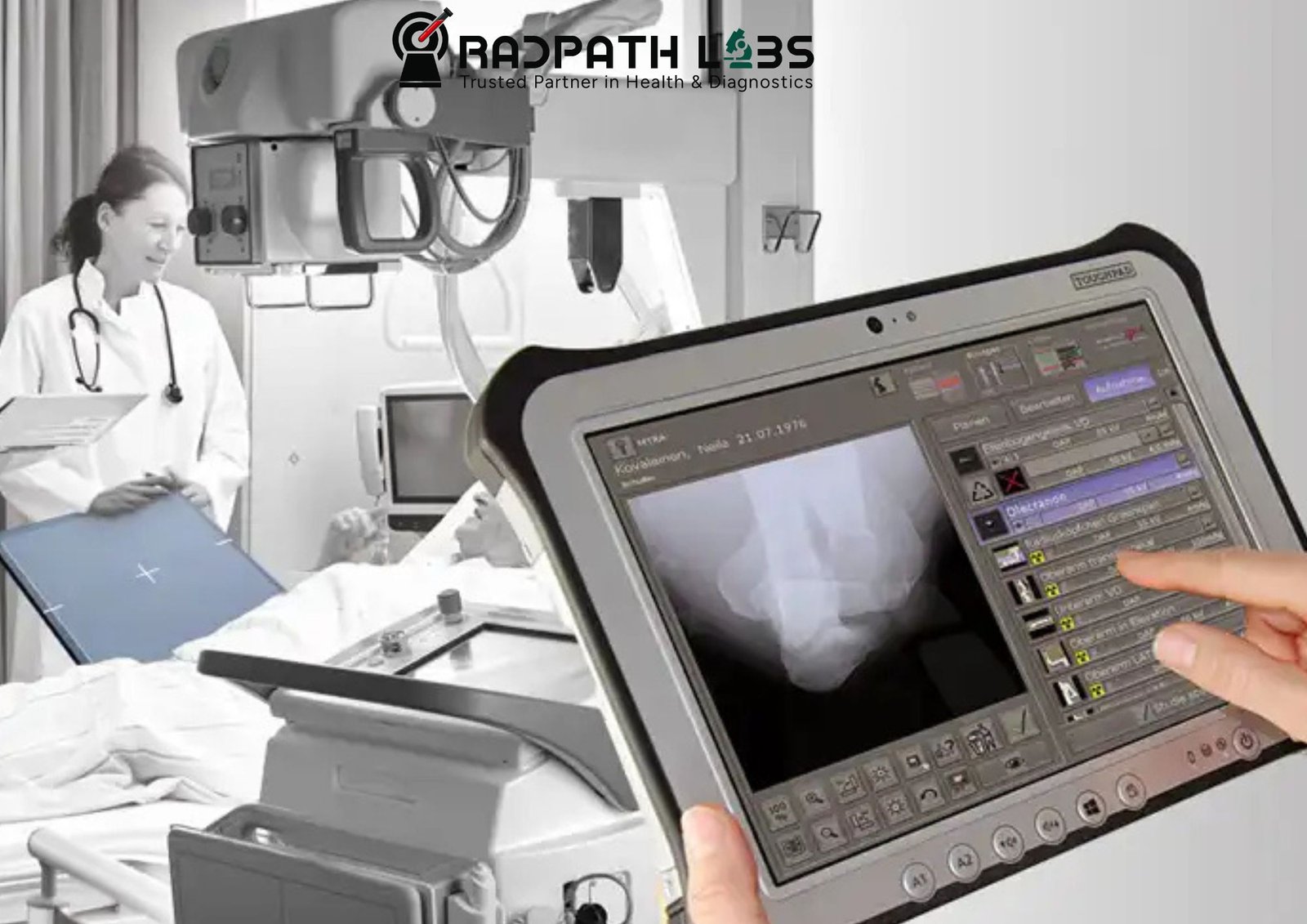
X-Ray at Home service provides patients with the convenience of undergoing diagnostic imaging without visiting a hospital or diagnostic center. Using portable digital X-Ray machines, trained technicians perform the procedure at the patient’s home, and reports are generated by certified radiologists. This service is particularly beneficial for bedridden patients, elderly individuals, or those with limited mobility.
1. Is the quality of X-Ray at home the same as in a hospital?
Yes, portable digital X-Ray machines provide high-quality images, interpreted by certified radiologists.
2. Who can benefit the most from home X-Ray services?
Elderly patients, bedridden individuals, post-surgery patients, or anyone who finds hospital visits difficult.
3. How long does the process take?
The procedure takes about 15–30 minutes, and digital reports are usually available within a few hours.
4. Is X-Ray at home safe?
Yes, it is safe and performed by trained technicians following radiation safety protocols.
5. Can I get chest X-Ray for visa/medical checkup at home?
Yes, chest X-Rays can be done at home for medical assessments, subject to doctor’s prescription.
6. Are female patients provided with protective shields?
Yes, lead aprons and shields are used to minimize exposure.