Radiology
X-Ray

X-Ray

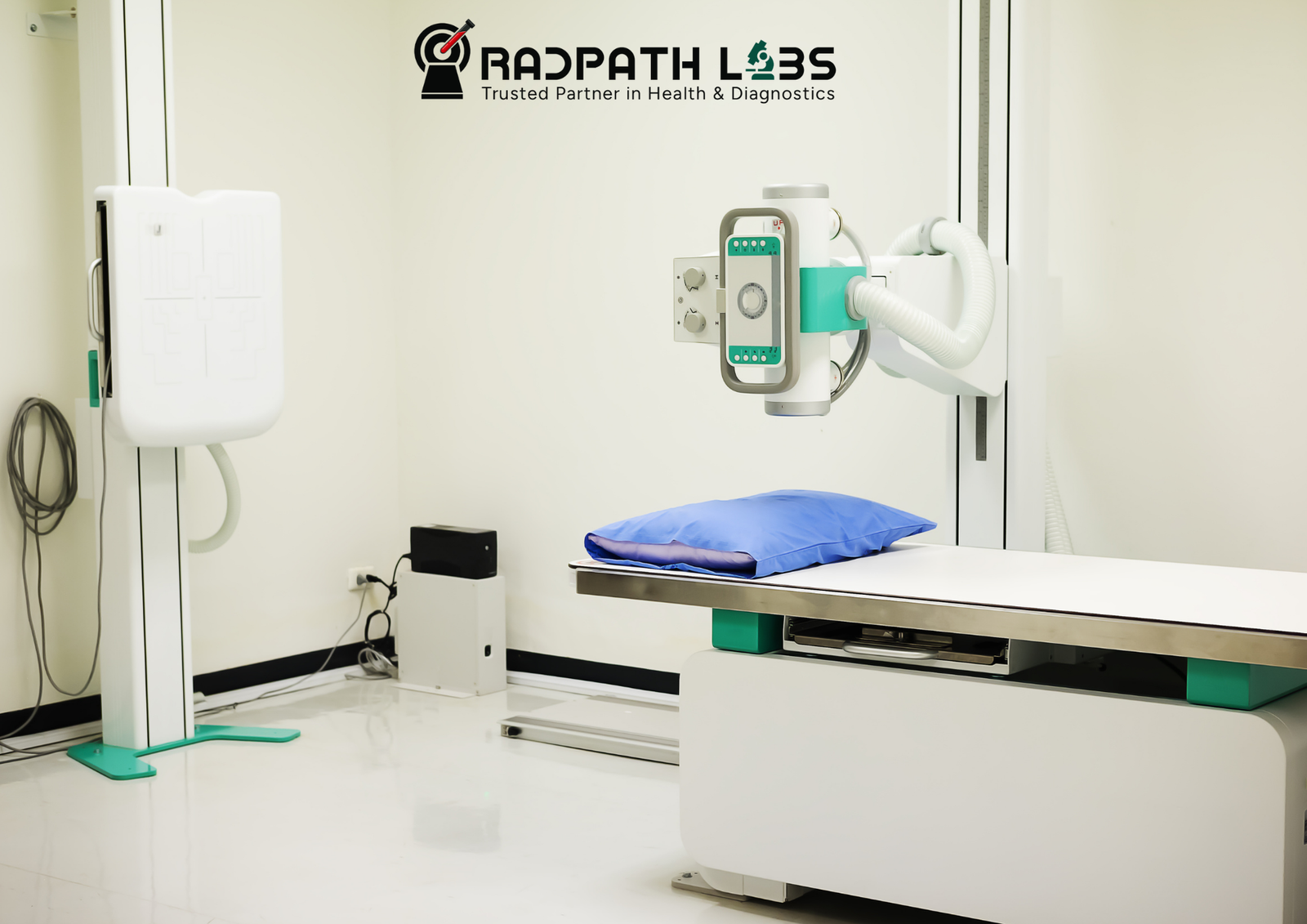
X-ray Scan

X-ray imaging is a widely used diagnostic tool that employs controlled radiation to produce images of the inside of the body, particularly bones and certain tissues. It is a quick, non-invasive procedure that helps doctors diagnose fractures, infections, and various medical conditions.

X-rays are among the most common and effective imaging techniques due to their speed, availability, and ability to provide clear images of the skeletal system and some soft tissues.

Uses of X-ray

X-rays are commonly used to:

  • Detect bone fractures and dislocations
  • Diagnose infections like pneumonia
  • Identify dental issues
  • Evaluate joint problems such as arthritis
  • Locate foreign objects inside the body
  • Monitor lung and chest conditions
  • Guide certain medical procedures

Types of X-rays

  • Chest X-ray — lungs, heart, chest wall
  • Bone X-ray — fractures, dislocations
  • Dental X-ray — teeth and jaw
  • Spine X-ray — vertebrae and spinal alignment
  • Joint X-ray — arthritis, joint injuries

Preparation for an X-ray Scan

X-ray scans generally require minimal preparation:

  • Clothing: Wear loose, comfortable clothing. You may need to remove jewelry, belts, or any metal objects that could interfere with the image.
  • Pregnancy: Always inform the technician if you are pregnant or suspect pregnancy, as X-rays involve radiation exposure.
  • Medical history: Inform the technician about any recent X-rays or medical conditions.

Frequently Asked Questions (FAQs)

1. Is an X-ray scan painful?
No, X-ray scans are painless and quick.

2. How long does an X-ray take?
The procedure typically takes just a few minutes.

3. Does an X-ray involve radiation?
Yes, X-rays use a small amount of ionizing radiation, but the exposure is generally low and safe when proper precautions are taken.

4. Can children have X-rays?
Yes, X-rays are safe for children when medically necessary and performed with appropriate care.

5. Can pregnant women undergo X-rays?
Pregnant women should avoid X-rays unless absolutely necessary. Always inform the technician if you are pregnant.

6. Do I need to remove clothes for the X-ray?
You may need to remove clothing or metal objects from the area being scanned to avoid interference.

7. When will I get the results?
X-ray images are usually reviewed quickly, with results available within hours or the next day.

8. Are there any risks associated with X-rays?
The radiation dose from X-rays is low, but unnecessary exposure should be avoided. Technicians take all safety measures to minimize risk.


CT Scan

CT Scan

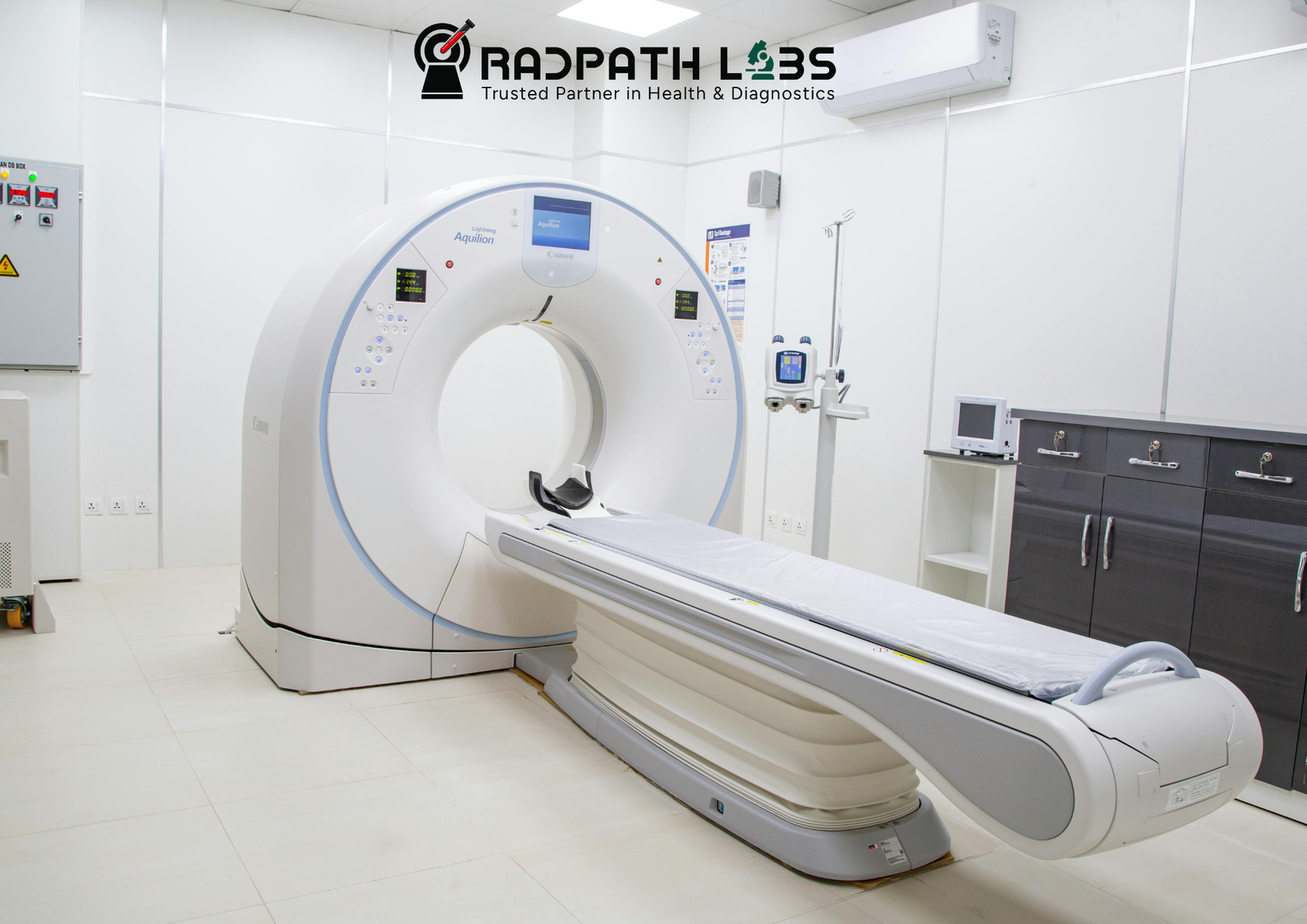
CT Scan

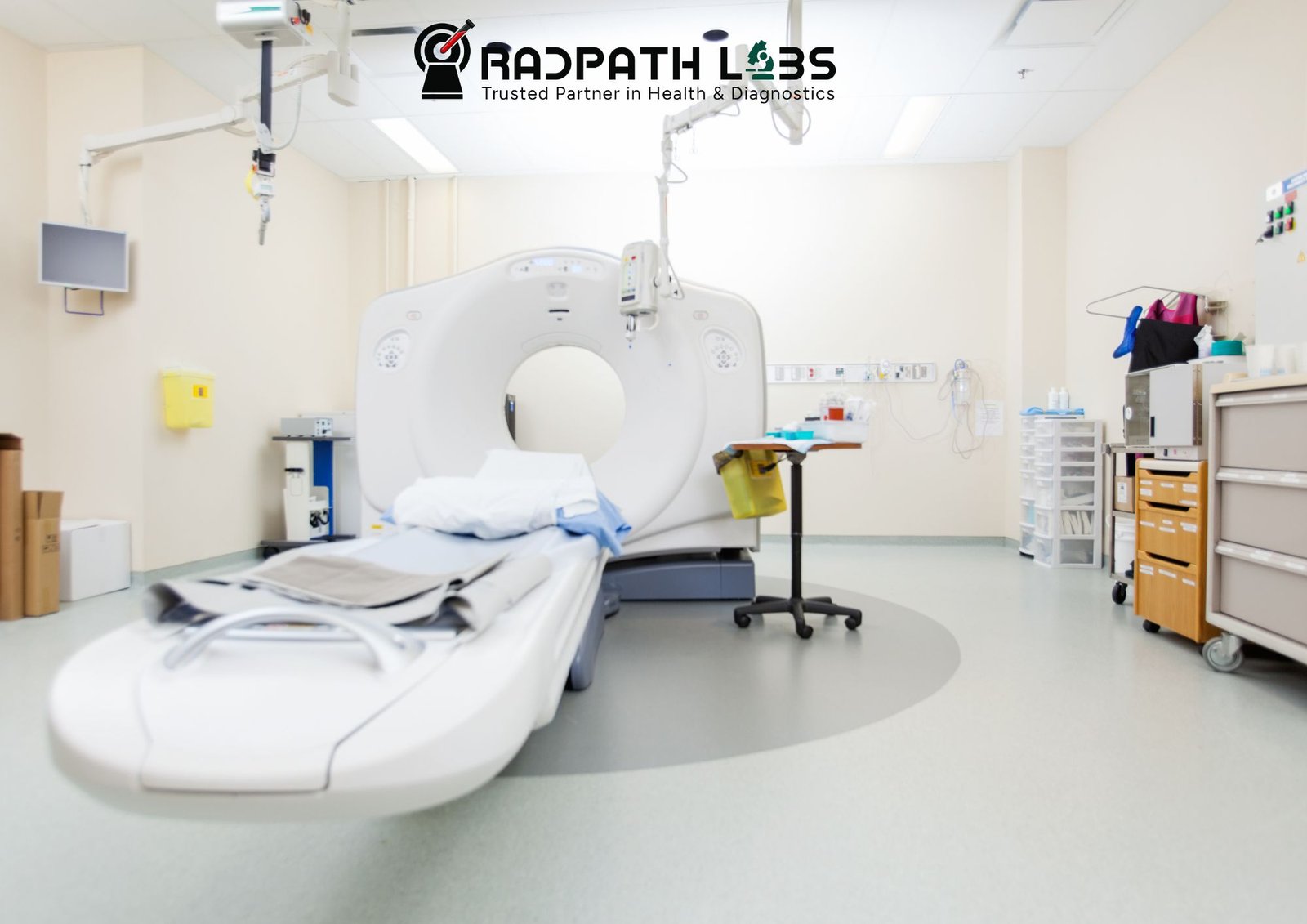
Computed Tomography (CT) scan is a medical imaging technique that combines X-rays and computer technology to produce detailed cross-sectional images of the body. It allows doctors to visualize bones, organs, blood vessels, and soft tissues with greater clarity than traditional X-rays.

CT scans are widely used for diagnosing injuries, diseases, and abnormalities, providing critical information for treatment planning. Although CT uses ionizing radiation, it is carefully controlled to minimize exposure while ensuring high-quality images.

Uses of CT Scan

CT scans are commonly used for:

  • Detecting fractures and bone injuries
  • Diagnosing cancers and tumors
  • Evaluating internal bleeding and trauma
  • Assessing lung and chest conditions
  • Guiding biopsy and surgical procedures
  • Examining blood vessels and detecting clots (CT angiography)
  • Investigating abdominal and pelvic disorders

Types of CT Scans

  • Head CT — examines brain injuries, strokes
  • Chest CT — evaluates lungs, heart
  • Abdominal and Pelvic CT — inspects internal organs
  • CT Angiography — visualizes blood vessels
  • Cardiac CT — assesses heart anatomy and arteries

Preparation for a CT Scan

Preparation guidelines may vary depending on the type of CT scan:

  • Fasting: You may be asked not to eat or drink for several hours before the scan, especially if contrast dye will be used.
  • Contrast dye: Inform the staff if you have allergies, kidney problems, or if you are pregnant, as contrast dye may cause reactions in some individuals.
  • Clothing and metal objects: Wear comfortable clothing and remove any metal objects such as jewelry, glasses, and belts before the scan.
  • Medications: Inform your doctor about any medications you are taking.

Frequently Asked Questions (FAQs)

1. Is a CT scan painful?
No, a CT scan is painless. You may feel slight discomfort if contrast dye is injected.

2. How long does a CT scan take?
A typical CT scan takes about 10 to 30 minutes, depending on the area being examined.

3. Does a CT scan involve radiation?
Yes, CT scans use X-ray radiation. However, doses are kept as low as possible while maintaining image quality.

4. Can I eat before the scan?
You may need to fast if contrast dye is used. Otherwise, you can usually eat and drink normally.

5. Are there any risks from the contrast dye?
Some people may have allergic reactions to the dye. Inform your doctor if you have allergies or kidney issues.

6. Can pregnant women have CT scans?
CT scans are generally avoided during pregnancy unless absolutely necessary due to radiation risks. Always inform the technician if you are pregnant.

7. Will I need to remove my clothes?
You may need to change into a gown and remove metal objects to prevent interference with the scan.

8. When will I get my CT scan results?
Results are usually available within 24 to 48 hours and will be reviewed by your doctor.


MRI

MRI

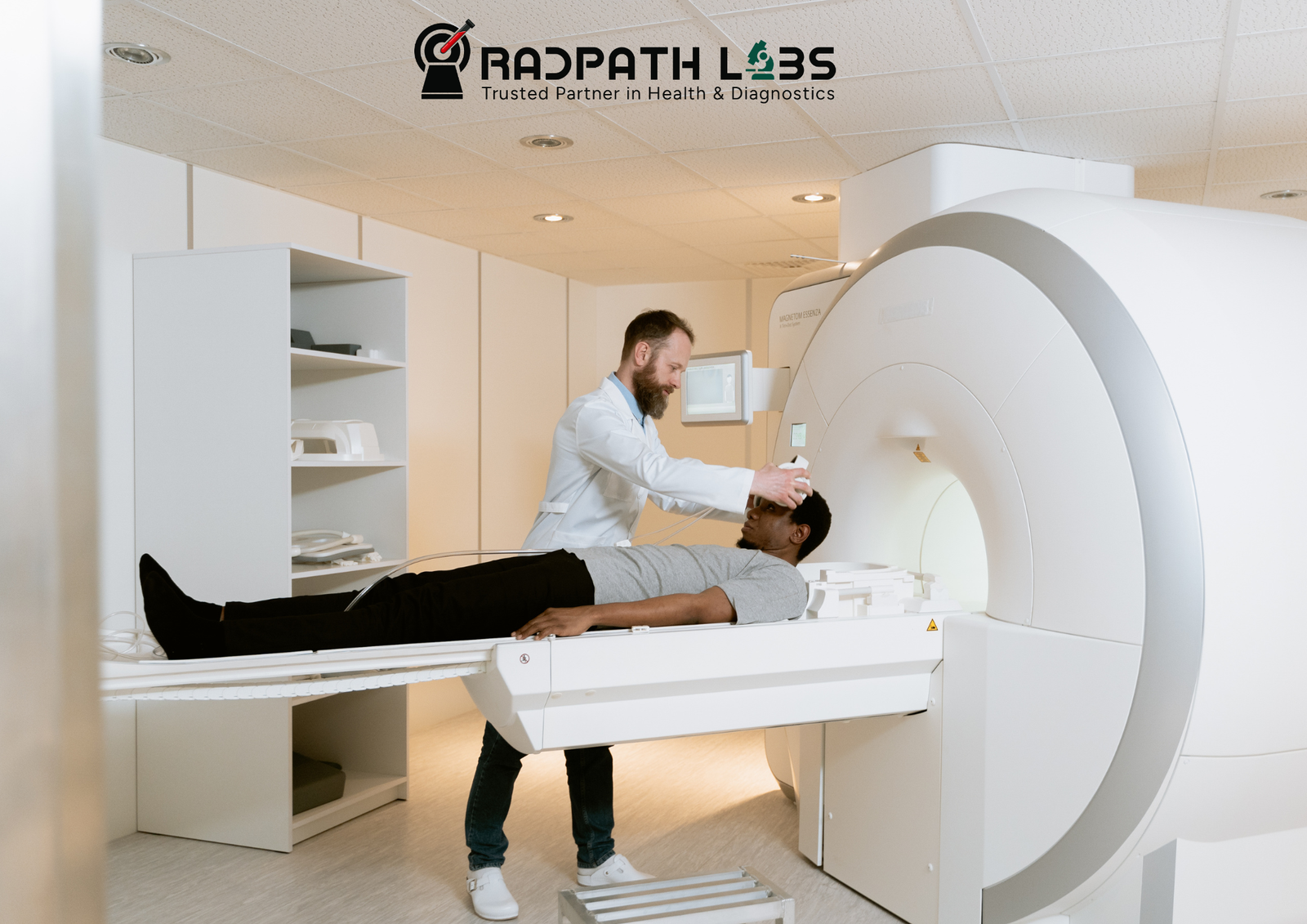
MRI Scan

Magnetic Resonance Imaging (MRI) is a safe, non-invasive diagnostic imaging technique that uses strong magnetic fields and radio waves to generate detailed images of the internal structures of the body. It is especially useful for examining soft tissues, organs, and the nervous system. Unlike X-rays and CT scans, MRI does not use ionizing radiation, making it a safer option for repeated imaging.

Uses of MRI

MRI is used by doctors to diagnose, monitor, and plan treatment for a wide range of conditions. Common uses include:

  • Brain and spinal cord imaging (e.g., tumors, stroke, multiple sclerosis)
  • Joint and musculoskeletal evaluations (e.g., ligament tears, arthritis)
  • Detection and monitoring of tumors and cancers
  • Examination of heart and blood vessels
  • Liver, kidney, and other abdominal organ assessments
  • Monitoring of certain chronic conditions

Types of MRI Tests

  • Brain MRI — evaluates brain tumors, strokes, and neurological conditions
  • Spine MRI — assesses spinal cord injuries, disc problems, and nerve compression
  • Joint MRI — images knees, shoulders, hips, and other joints for injuries and arthritis
  • Cardiac MRI — examines heart structure and function
  • Abdominal MRI — evaluates organs such as liver, kidneys, and pancreas
  • Breast MRI — used for breast cancer screening and diagnosis

Preparation for an MRI Scan

To ensure a smooth and accurate MRI procedure, please follow these preparation guidelines:

  • Clothing: Wear comfortable, loose-fitting clothing. You may be asked to change into a hospital gown.
  • Metal objects: Remove all metal items such as jewelry, hairpins, watches, belts, and hearing aids before the scan.
  • Medical devices: Inform the technician if you have any implanted medical devices (e.g., pacemakers, metal implants, cochlear implants).
  • Fasting: For some types of MRI scans, especially those involving the abdomen or pelvis, you may be asked not to eat or drink for a few hours before the scan.
  • Claustrophobia: If you are claustrophobic, inform us in advance. Options such as open MRI or mild sedation may be available.
  • Pregnancy: Always notify the technician if you are pregnant or suspect you might be.

Frequently Asked Questions (FAQs)

1. Is an MRI scan painful?
No, the MRI scan itself is painless. However, you may experience some discomfort from lying still or from the noise of the machine.

2. How long does an MRI scan take?
Most MRI scans take between 30 to 60 minutes, depending on the area being examined.

3. Can I eat or drink before the MRI scan?
In many cases, yes. However, fasting may be required for certain types of MRI. Please follow the specific instructions provided.

4. Is MRI safe for everyone?
MRI is safe for most people. However, patients with certain implants or metallic devices may not be suitable candidates. Always inform your doctor or technician beforehand.

5. What should I expect during the scan?
You will lie on a table that slides into the MRI machine. You’ll need to stay very still while the scan is in progress. The machine may make loud tapping or thumping sounds.

6. Will I feel claustrophobic?
Some patients may feel claustrophobic. If you're concerned, we offer open MRI options and may also provide a sedative to help you stay calm.

7. When will I get my MRI results?
MRI results are typically ready within 24 to 48 hours. Your referring doctor will review the findings and discuss the results with you.

8. Can children undergo MRI scans?
Yes, MRI scans are safe for children. In some cases, sedation may be used to help young children remain still during the procedure.


Ultrasound

Ultrasound

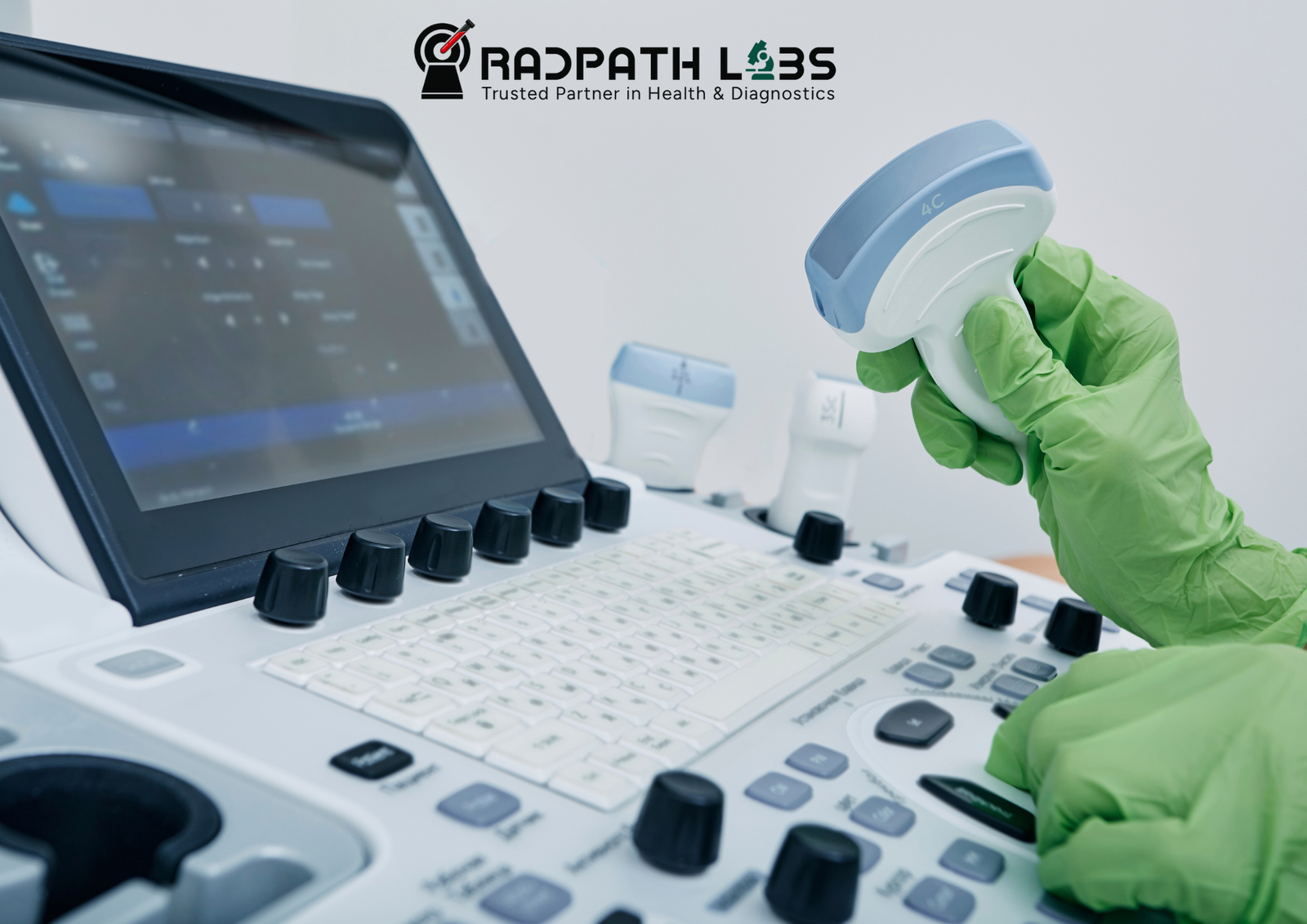
Ultrasound Scan

Ultrasound, also known as sonography, is a safe and non-invasive imaging technique that uses high-frequency sound waves to produce real-time images of the internal organs and tissues. It is widely used in medical diagnostics because it does not involve radiation and provides immediate results.

Ultrasound is commonly used to assess soft tissues, blood flow, and fetal development during pregnancy. It is a painless procedure that helps doctors diagnose and monitor various medical conditions.

Uses of Ultrasound

Ultrasound scans are commonly used for:

  • Monitoring fetal development during pregnancy
  • Examining the abdomen and pelvic organs (e.g., liver, kidneys, bladder, uterus, ovaries)
  • Evaluating blood flow in arteries and veins (Doppler ultrasound)
  • Diagnosing conditions of the heart (echocardiography)
  • Guiding needle biopsies and other minimally invasive procedures
  • Assessing muscles, tendons, and joints for injuries or abnormalities

Types of Ultrasound Tests

  • Abdominal Ultrasound — examines organs like liver, kidneys, and gallbladder
  • Pelvic Ultrasound — evaluates reproductive organs
  • Obstetric Ultrasound — monitors fetal development during pregnancy
  • Doppler Ultrasound — assesses blood flow in vessels
  • Thyroid Ultrasound — inspects the thyroid gland
  • Musculoskeletal Ultrasound — evaluates muscles, tendons, and joints

Preparation for an Ultrasound Scan

Preparation for an ultrasound scan varies depending on the type of ultrasound:

  • Abdominal ultrasound: You may be asked to fast (avoid food and drinks) for 6 to 8 hours before the scan to reduce gas and improve image quality.
  • Pelvic ultrasound: You might need to drink several glasses of water and avoid urinating beforehand to ensure your bladder is full.
  • Other types: Generally, no special preparation is needed for ultrasounds of the thyroid, breast, or musculoskeletal system.

Always follow the specific instructions given when you schedule your appointment.

Frequently Asked Questions (FAQs)

1. Is an ultrasound scan painful?
No, ultrasound scans are painless and non-invasive. You may feel slight pressure when the technician moves the transducer on your skin.

2. How long does an ultrasound scan take?
Ultrasound scans usually take between 15 to 45 minutes, depending on the area being examined.

3. Is ultrasound safe during pregnancy?
Yes, ultrasound is safe for both mother and baby and is routinely used for monitoring pregnancy.

4. Can I eat before an ultrasound?
For some types of ultrasounds, like abdominal scans, fasting may be required. For others, normal eating is fine.

5. Do I need to wear special clothing?
Wear loose, comfortable clothing. You may be asked to remove clothing and wear a gown over the area being examined.

6. Can ultrasound detect cancer?
Ultrasound can identify abnormal masses or tumors, but further tests like biopsies or MRI may be needed for definitive diagnosis.

7. Are there any risks associated with ultrasound?
Ultrasound is very safe and does not use radiation. There are no known risks when performed properly.

8. When will I get my results?
Results are usually available within a few hours to a couple of days. Your doctor will discuss the findings with you.


Nuclear Medicine

Nuclear Medicine

Nuclear Medicine Test

Nuclear medicine tests use small amounts of radioactive materials, called radiotracers, to diagnose and treat various diseases. These tests provide unique information about the function and structure of organs, tissues, and bones by capturing images that show how different parts of the body are working.

Nuclear medicine is a safe, non-invasive technique that helps physicians detect conditions earlier and with greater accuracy compared to some other imaging methods.

Uses of Nuclear Medicine Tests

Nuclear medicine is commonly used for:

  • Evaluating heart function and blood flow
  • Detecting cancers and tumors
  • Assessing bone disorders and infections
  • Examining thyroid gland function
  • Diagnosing gastrointestinal problems
  • Monitoring kidney function
  • Evaluating brain abnormalities such as seizures or dementia

Types of Nuclear Medicine Tests

  • Bone Scan — detects bone infections and cancers
  • Thyroid Scan — evaluates thyroid function
  • Myocardial Perfusion Scan — assesses heart blood flow
  • PET Scan (Positron Emission Tomography) — identifies cancer and brain disorders
  • Renal Scan — evaluates kidney function

Preparation for Nuclear Medicine Tests

Preparation varies depending on the specific test but generally includes:

  • Informing your doctor about medications you are taking, allergies, or if you are pregnant or breastfeeding.
  • Fasting for several hours before certain tests, if instructed.
  • Drinking plenty of fluids to help flush the radiotracer from your body after the test.
  • Wearing comfortable clothing and removing metal objects that might interfere with imaging.

Always follow the specific instructions provided when scheduling your appointment.

Frequently Asked Questions (FAQs)

1. Is a nuclear medicine test painful?
No, the test involves a small injection, ingestion, or inhalation of a radiotracer, which is generally painless.

2. How long does the test take?
The procedure can take from 30 minutes up to several hours, depending on the type of test and imaging required.

3. Is nuclear medicine safe?
Yes, nuclear medicine uses very small amounts of radioactive material, which are safe and decay quickly. The benefits outweigh the minimal risks.

4. Will I be radioactive after the test?
You may emit a small amount of radiation for a short time, but it usually poses no risk to others. Your healthcare provider will give you instructions to minimize exposure.

5. Do I need to prepare specially for the test?
Preparation varies by test. You may need to fast or avoid certain medications. Always follow the instructions provided.

6. Can pregnant or breastfeeding women have nuclear medicine tests?
Pregnancy and breastfeeding require special precautions. Inform your doctor to determine the safest approach.

7. When will I get my results?
Results are usually available within a few days. Your doctor will explain the findings and next steps.

8. Are there any side effects?
Side effects are rare. Some patients may experience mild allergic reactions or discomfort at the injection site.


Neurology Test

Neurology Test

Neurology Tests

Neurology tests are specialized diagnostic procedures used to evaluate the nervous system, including the brain, spinal cord, nerves, and muscles. These tests help identify neurological disorders such as epilepsy, multiple sclerosis, stroke, neuropathies, and other conditions affecting motor and cognitive functions.

Neurology tests are essential for accurate diagnosis, treatment planning, and monitoring the progress of neurological diseases.

Uses of Neurology Tests

Common neurology tests are used to:

  • Diagnose epilepsy and seizure disorders
  • Detect nerve damage and neuropathies
  • Evaluate muscle disorders
  • Assess stroke and brain injury effects
  • Diagnose multiple sclerosis and other neurodegenerative diseases
  • Monitor progression of neurological conditions
  • Guide treatment decisions for neurological patients

Types of Neurology Tests

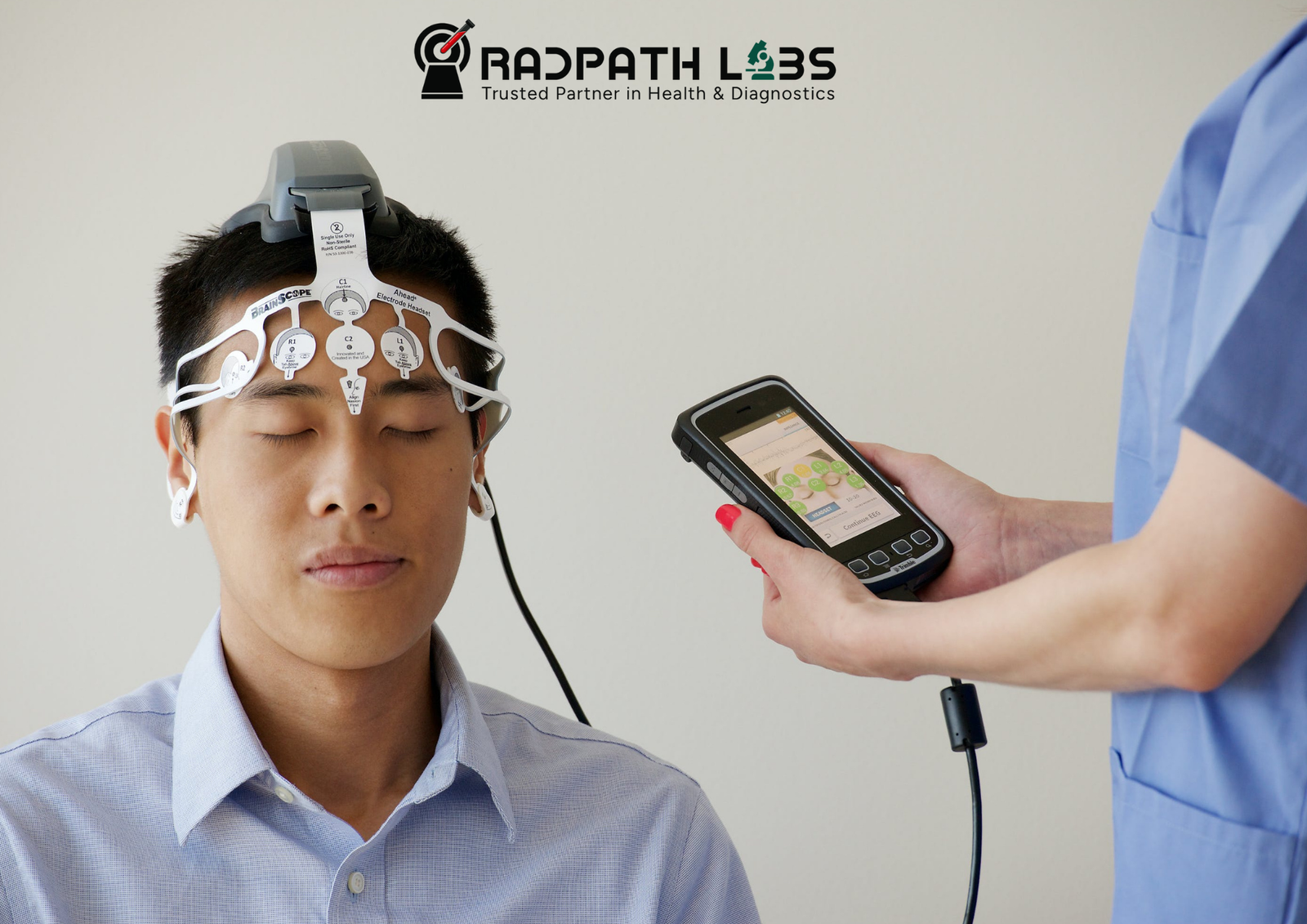
  • EEG (Electroencephalogram) — measures brain electrical activity
  • EMG (Electromyography) — assesses muscle electrical activity
  • Nerve Conduction Studies — evaluate nerve signal transmission
  • MRI of Brain and Spine — detailed imaging of neurological structures
  • CT Scan of Brain — detects strokes, tumors

Preparation for Neurology Tests

Preparation depends on the specific test but may include:

  • Avoiding caffeine, alcohol, or certain medications before the test as advised.
  • Ensuring adequate rest and sleep prior to the test.
  • Wearing comfortable clothing and removing metal objects if imaging or nerve conduction tests are involved.
  • Informing the doctor about existing health conditions, medications, and allergies.

Always follow the instructions given by your healthcare provider.

Frequently Asked Questions (FAQs)

1. What types of neurology tests are available?
Common tests include EEG (electroencephalogram), EMG (electromyography), nerve conduction studies, MRI, and CT scans.

2. Are neurology tests painful?
Most tests are painless, though some like EMG involve minor discomfort from needle insertion.

3. How long do neurology tests take?
Tests vary in duration, ranging from 30 minutes to a few hours depending on the procedure.

4. Do I need to fast before a neurology test?
Fasting is usually not required unless specified by your doctor.

5. Can children undergo neurology tests?
Yes, children can undergo neurology tests. Some procedures may require sedation or special preparation.

6. Will I need to remove metal objects?
Yes, for imaging tests like MRI, metal objects must be removed to ensure safety and image clarity.

7. When will I receive my test results?
Results are typically available within a few days, and your doctor will discuss them with you.

8. Are there any risks or side effects?
Neurology tests are generally safe. Some tests may cause mild discomfort or temporary fatigue.


Cardiology Test

Cardiology Test

Cardiology Tests

Cardiology tests are specialized diagnostic procedures used to assess the health and function of the heart and blood vessels. These tests help detect heart diseases, monitor heart conditions, and guide treatment to prevent complications such as heart attacks or strokes.

Cardiology tests range from simple non-invasive procedures to more advanced imaging and monitoring techniques, providing critical information about your cardiovascular health.

Uses of Cardiology Tests

Cardiology tests are commonly used to:

  • Diagnose coronary artery disease and heart attacks
  • Evaluate heart rhythm disorders (arrhythmias)
  • Assess heart valve function and structure
  • Monitor blood pressure and blood flow
  • Detect congenital heart defects
  • Guide treatment for heart failure and other cardiac conditions
  • Evaluate chest pain and unexplained shortness of breath

Types of Cardiology Tests

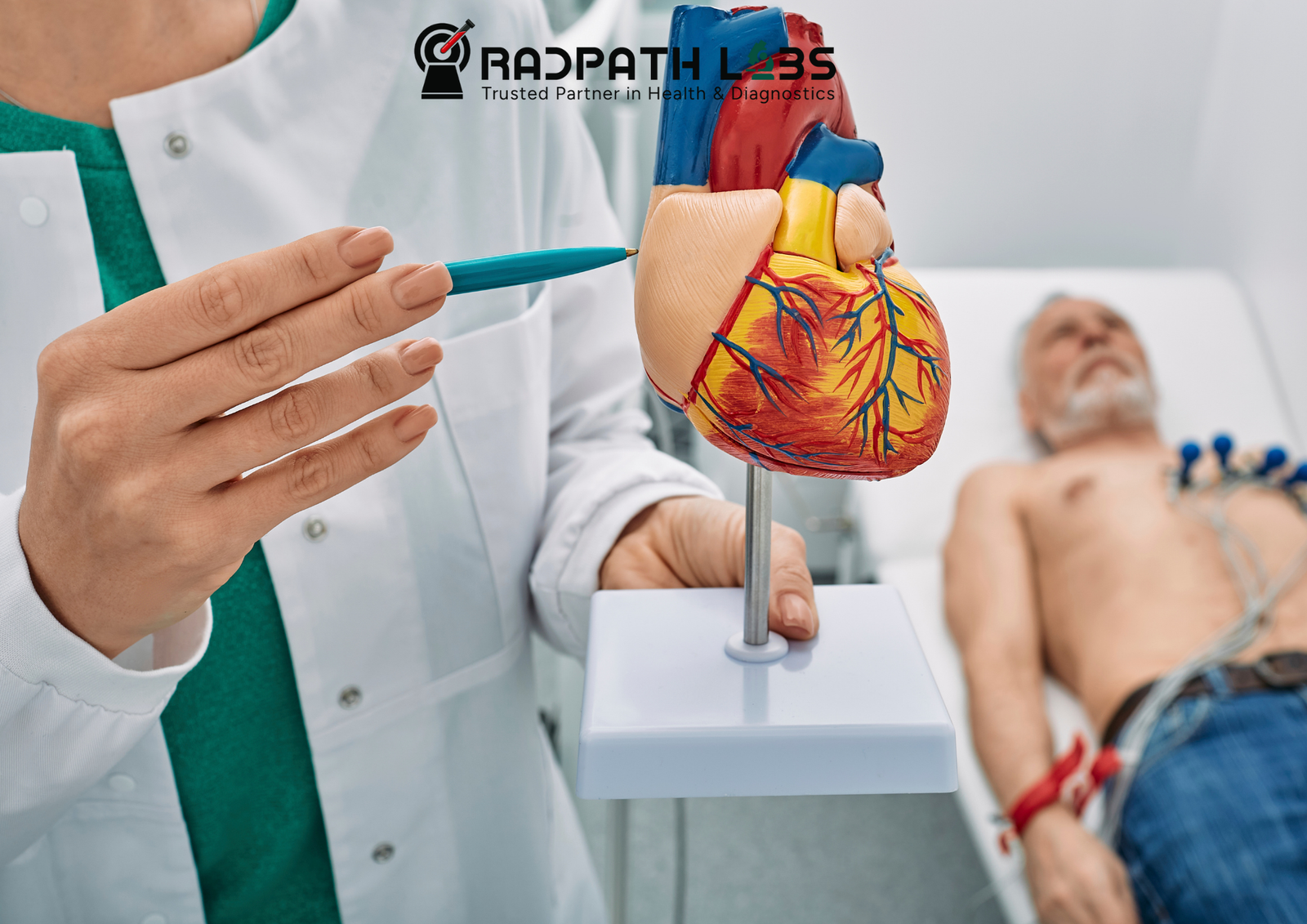
  • ECG (Electrocardiogram) — records heart’s electrical activity
  • Echocardiogram — ultrasound imaging of the heart
  • Stress Test — evaluates heart function under exercise
  • Holter Monitor — continuous heart rhythm recording
  • Cardiac Catheterization — invasive imaging of heart arteries

Preparation for Cardiology Tests

Preparation varies by test but generally includes:

  • Avoiding caffeine, smoking, and heavy meals before some tests like stress tests or Holter monitoring.
  • Wearing comfortable clothing and appropriate footwear for exercise tests.
  • Informing your doctor about all medications and health conditions.
  • Following fasting instructions if required for blood tests or certain imaging studies.

Always follow the specific preparation guidelines provided by your healthcare provider.

Frequently Asked Questions (FAQs)

1. What types of cardiology tests are there?
Common tests include ECG (electrocardiogram), echocardiogram, stress test, Holter monitoring, and cardiac catheterization.

2. Are cardiology tests painful?
Most cardiology tests are non-invasive and painless. Some procedures like catheterization may involve minor discomfort.

3. How long do cardiology tests take?
Duration varies from a few minutes for ECG to several hours for stress tests or catheterization.

4. Do I need to fast before a cardiology test?
Fasting may be required for some blood tests or imaging procedures. Follow your doctor’s instructions.

5. Can children undergo cardiology tests?
Yes, cardiology tests can be performed safely on children when necessary.

6. Will I need to avoid medications before the test?
Some medications may need to be paused before certain tests. Always consult your doctor.

7. When will I get my test results?
Results are usually available within hours to a few days depending on the test.

8. Are there any risks involved?
Most cardiology tests are safe. Invasive procedures carry small risks which will be explained by your doctor.


Endoscopic Procedures

Endoscopic Procedures

Endoscopic Procedures

Endoscopic procedures use a flexible tube with a camera (endoscope) inserted through natural openings (mouth or anus) to visually inspect internal organs of the digestive tract. They help diagnose, monitor, and sometimes treat gastrointestinal disorders without major surgery.

Types of Procedures

  • Endoscopy (Upper GI Endoscopy or Esophagogastroduodenoscopy - EGD):
    A minimally invasive procedure to examine the upper digestive tract — esophagus, stomach, and the first part of the small intestine.
  • Colonoscopy:
    A procedure to inspect the entire colon (large intestine) and rectum for abnormalities such as polyps, inflammation, or cancer.
  • Sigmoidoscopy:
    Similar to colonoscopy but examines only the sigmoid colon and rectum, a shorter segment of the large intestine.

Uses of Endoscopic Procedures

  • Detect ulcers, inflammation, tumors, bleeding, or infections in the digestive tract
  • Screen for colon cancer or precancerous polyps
  • Investigate causes of abdominal pain, chronic diarrhea, constipation, or unexplained weight loss
  • Biopsy suspicious areas for pathological examination
  • Remove polyps or foreign bodies
  • Monitor known GI diseases like Crohn’s disease or ulcerative colitis

Preparation

  • Endoscopy:
    • Fast for at least 6-8 hours before the test (no food or drink)
    • Avoid certain medications as advised by your doctor
  • Colonoscopy & Sigmoidoscopy:
    • Clear liquid diet 24 hours before procedure
    • Bowel cleansing with prescribed laxatives or enemas
    • Avoid eating or drinking for several hours before the test
    • Arrange for someone to accompany you home post-procedure due to sedation effects

Frequently Asked Questions (FAQs)

1. Are endoscopic procedures painful?
Generally, sedation is provided, so discomfort is minimal. You may feel mild pressure or cramping.

2. How long does the procedure take?
Typically 15 to 60 minutes depending on the type.

3. Can I eat or drink after the test?
Usually, you can resume eating and drinking after a short observation period, but follow your doctor’s instructions.

4. Are there risks involved?
Risks are low but can include bleeding, infection, or perforation. These are rare and managed promptly.

5. When will I get the results?
Preliminary results may be shared immediately; biopsy results take a few days.

6. Can polyps be removed during the procedure?
Yes, polyps or small growths can often be removed during the same session.

7. How often should I undergo these tests?
Depends on your risk factors and medical history; follow your doctor’s advice.

8. Do I need to stop medications before the test?
You may need to stop blood thinners or other medications temporarily—consult your doctor.