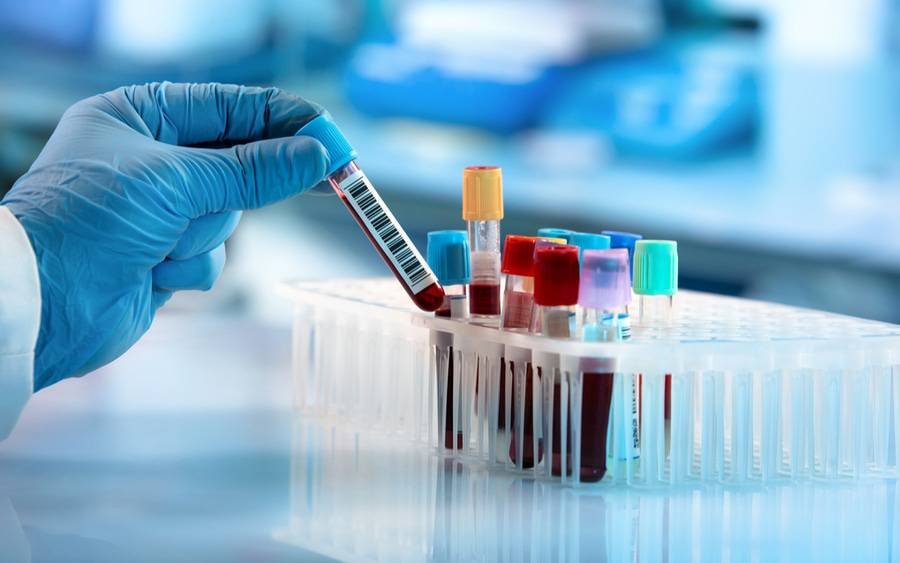
Anti HCV Antibody (Qualitative)
The Anti-HCV Antibody Test is a blood test used to screen for Hepatitis C virus (HCV) infection by detecting antibodies produced by the body’s immune system. Hepatitis C is a viral infection that primarily affects the liver, leading to inflammation, fibrosis, cirrhosis, and even liver cancer if left untreated. The antibody test indicates if a person has been exposed to HCV, but further tests (HCV RNA) are needed to confirm an active infection.
Uses of Anti-HCV Test
- Screen for Hepatitis C infection in suspected individuals
- Identify past or current exposure to HCV
- Support diagnosis in patients with symptoms of liver disease (jaundice, fatigue, abdominal pain)
- Screen high-risk groups (IV drug users, blood transfusion recipients before 1992, healthcare workers, dialysis patients)
- Part of routine screening during pregnancy, surgery, or blood donation
- Guide doctors in deciding further confirmatory tests (HCV RNA, genotype test)
Frequently Asked Questions (FAQs)
1. What does the Anti-HCV test detect?
It detects antibodies that develop when the body is exposed to the Hepatitis C virus.
2. Does a positive Anti-HCV result mean I have Hepatitis C?
Not always. It means you were exposed to HCV, but only an HCV RNA PCR test can confirm active infection.
3. Who should get tested for HCV?
- People with liver disease symptoms
- Those who received blood transfusions before 1992
- Intravenous drug users
- Healthcare workers exposed to blood
- Pregnant women (for preventing transmission)
4. Is fasting needed for the Anti-HCV test?
No, fasting is not required.
5. Can Anti-HCV detect early infection?
Antibodies usually appear 6–12 weeks after infection. Early infection may require HCV RNA testing.
Clinically Proven
High accuracy and reliable results from certified labs.
Advanced Tech
Using latest diagnostic machines and methodology.
Parameters Included
Test Preparation
- No fasting required